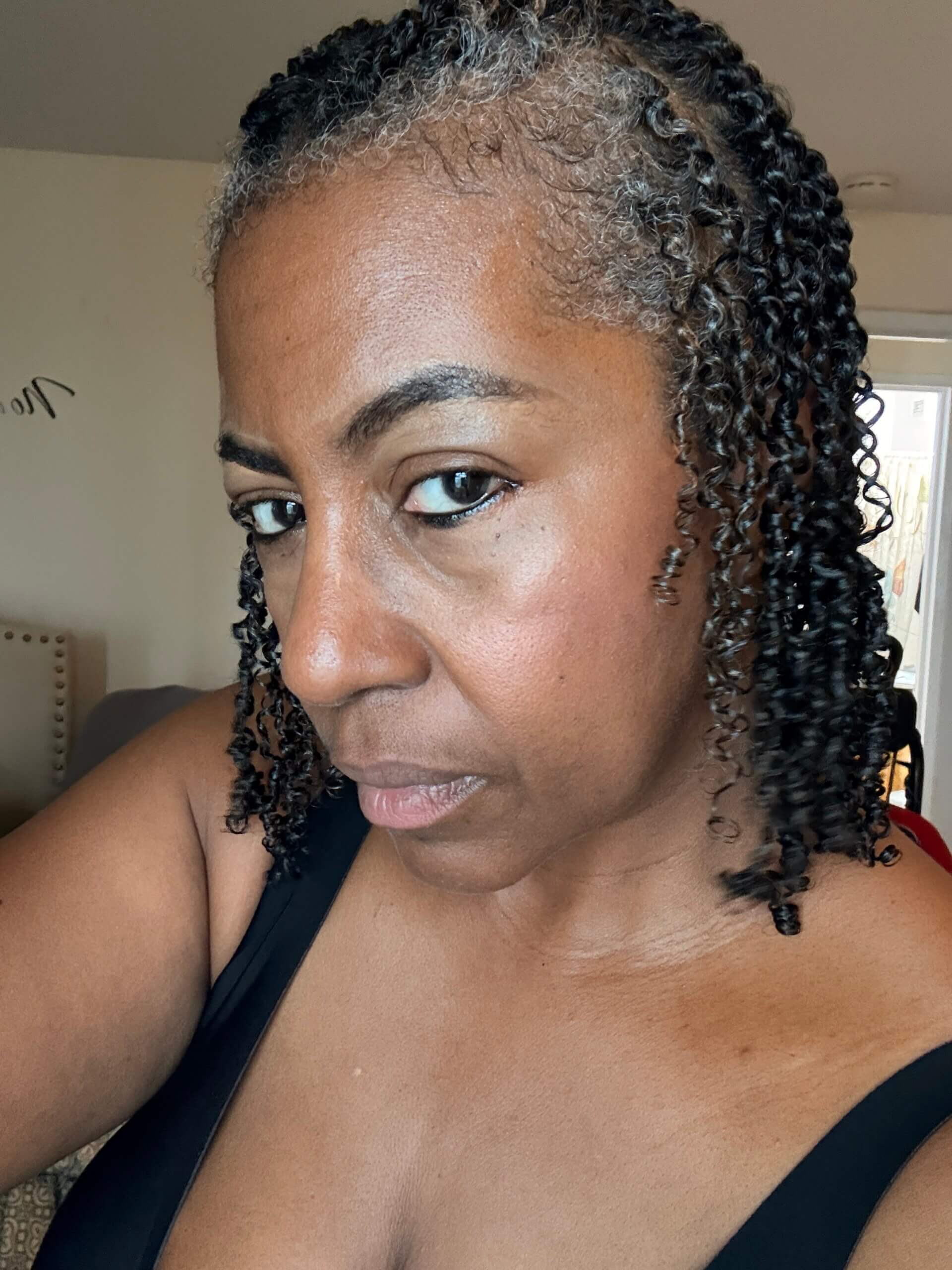
5 Ways You’re Sabotaging Your Protective Styles (and How to Fix It)

Protective styling is the go-to method for retaining length. But is it really? There’s definitely many other ways to retain length that do not include protective styling, but doing protective styles is definitely a major way to do so. Yet, if you are making any of the mistakes we’re about to dive into, then your protective styling efforts are in vain.
You already know that protective styles get hyped for growth and retention, but don’t always deliver. So, let’s skip the hype and get right to the things you may be unknowingly doing or neglecting to do that are sabotaging your styles.
1. Skipping Scalp Care While in the Style
Protective styling isn’t just about your natural hair. Your scalp is still important. If you aren’t giving any care to your scalp while your hair is in a protective styling, there are definite issues that can arise.
What will go wrong:
Neglecting your scalp leads to buildup, dryness, and stalled growth because your follicles get clogged.
How to fix it:
- Cleanse your scalp gently with a diluted shampoo or scalp rinse weekly – even when your hair is in a protective style such as braids or twists.
- Use a scalp massager or soft nozzle applicator to apply lightweight oils that improve stimulation in the scalp. The Follicle Fuel Pro+ oil from Ominira Naturals is boosted with natural herbs.
2. Keeping the Style in Too Long
It may be very tempting to keep your protective style in for as long as it seems to look good. However, there’s a lot that’s going on beneath the style when you are incorporating added hair.
What will go wrong:
Leaving in braids, twists, or wigs beyond 6–8 weeks can cause matting, breakage, or thinning edges.
How to prevent it:
- Set a reminder to remove and refresh styles around the 6-week mark.
- Give your hair a break before reinstalling another style.
3. Ignoring Moisture While in a Style
The point of doing a protective style is not to set it and forget it. Yes, they reduce the need for you to manipulate your natural hair daily but, your hair still needs moisture.
What’s going wrong:
Dry hair under a protective style is still dry hair. Neglecting moisture equals breakage.
How to fix it:
- Apply a water-based leave-in conditioner or DIY refresher spray. If you have low porosity hair, you’ll need a little “heat” to get those cuticles open. A light steaming will do the trick. Check out why you should steam your natural hair.
- Seal with a light oil or butter that won’t cause buildup.
- Tip: Focus especially on your ends and edges.
4. Tight Styles That Pull at Your Hairline
Pulling your hair into a tight hairstyle may look refined, but consider this: The longer the style is pulling at your edges, the more “traction” you’re creating. This could lead to alopecia.
What’s going wrong:
Styles that look sleek but feel sore are damaging your hair follicles, especially around the edges.
How to fix it:
- If you get your hair professionally braided or even twisted, communicate with the stylist about the tension used. If it’s hurting even a little bit, it’s too darn tight.
- Choose low-manipulation hairstyles like flat twists, large braids, or loose wigs. I’m not a big fan of wigs, but they don’t stress the hairline nearly as much as tiny braids.
- Consider using edge care (not control) products or hair growth oils to soothe and protect.
5. No Plan After The Takedown
So, you choose a cute protective style. You may even care for your hair well while it’s in the style. What about when it’s time to take the style out? Any plan for that?
What’s going wrong:
Removing a style without a plan for detangling, cleansing, and deep conditioning properly can cause major setbacks.
How to fix it:
- Schedule your takedown on a day you can take your time.
- Finger-detangle as you are removing the style.
- Then, cleanse using a gentle moisturizing shampoo
- If you notice your strands have weakened, a protein treatment is in order.
- Finish with a simple, low-tension style to let your hair recover. Don’t just rush into the next long term protective style
Protective Styling Isn’t A Magic Bullet for Hair Growth
To reinforce, doing protective styles can definitely aid in growing your natural hair longer. However, there are things you need to do to maintain the style and protect your hair when it’s time to remove it.
If you’ve made any of these mistakes, you are not the minority. Yet, as long as you have hair on your head, you can make adjustments so that your efforts won’t be in vain.
Final Thoughts on Protective Styling
Remember, hair growth happens naturally, but consistently caring for your hair and making small shifts in how you do so will ensure you retain the hair you grow.
If you found this article helpful, sign up to receive the Faithful Strand for more tips like it with a fresh twist for Christian women.
Some of My Cute, Fast, and Easy Protective Styles