The 3 Step Fall Reset for Fine Natural Hair
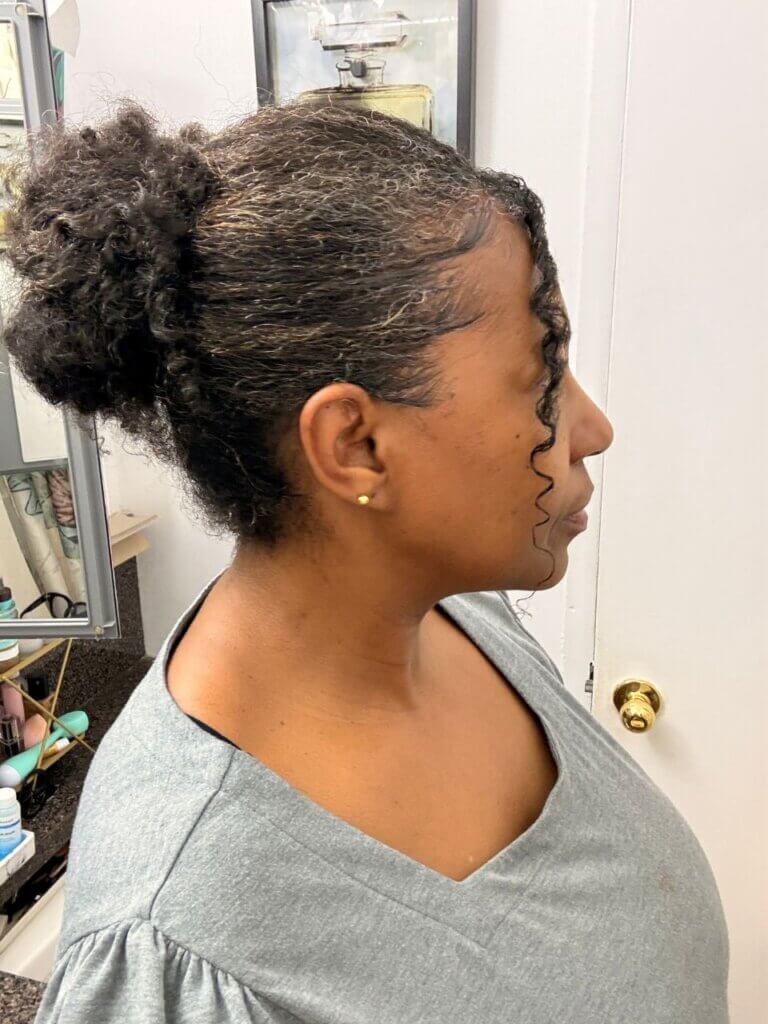
Every year around this time, I do a basic reset for my fine natural hair. It starts with getting a fresh trim and then looking at how I cared for my hair over the summer. While my stylist gives her input, I am the one who decides (based on knowing my own hair) what needs adjusting before the weather changes.
That is really all fall hair care for fine natural hair is. It’s not about buying new products – although you can, and this is a good time to evaluate what your hair needs.
Key Takeaways
- Fall hair care for fine natural hair involves a three-step reset: set hair goals, reevaluate routines, and do a product sweep.
- As temperatures drop, assess your routines to ensure they align with your goals and provide necessary protection for your hair.
- Choose protective hairstyles for fall, like low buns and twists on blown out hair, that minimize manipulation and protect your ends.
- Plan your hair care schedule using a calendar to keep consistent with wash days and treatments throughout the season.
- If breakage persists after adjustments, identify specific causes to address rather than guessing solutions.
The Fall Hair Care Reset Overview
As the weather cools, how you care for your hair should change too, because there are things you may have gotten away with in the summer that will not serve you as well in the fall. Things like:
- Skipping your deep conditioning sessions
- Wearing your hair out often
- Drifting away from your normal hair routines.
Resetting your hair care for fall is a 3-step process I have recommended for years:
- Reevaluate your hair care routines
- Do a clean sweep of your hair products.
- Then choose the styles you want to wear for the season.
It only takes a couple of hours to go through this, with the most time-intensive being going through your hair products. What’s great is the process works any time you want a reset, not just in the fall.
Why Fall Is the Right Time for a Review and Reset
Let’s be clear about something: fall itself is not necessarily hard on fine natural hair. Winter owns that badge of honor all on its own!
Depending on where you live, early fall barely feels different from late summer. The reason this season earns a reset is simpler. It’s the checkpoint before the real cold arrives.
The products you used when it was warm out, likely the more lightweight ones, will not be sufficient as the temperatures keep dropping, and it’s much easier to review everything now than to play catch-up in December or January.
So treat this as a review, not an emergency. Look at your goals, your routines, and your products while the weather is still mild, so that by the time winter arrives, you have a good plan in place.
Step 1: Set One or Two Fall Hair Goals
How do you arrive at a destination without knowing where you want to go?
Setting one or two hair goals for the season keeps you focused and keeps you from getting distracted by wanting to try all the things: every product, every hack, every technique that crosses your feed. Pick what you would like to see happen with your hair over the next three months.
Here are a few examples:
- Strengthen your hair and retain an inch of growth
- Maintain a clarified, comfortable scalp
- Reduce frizz so your hairstyles last longer
- Keep single strand knots to a minimum with a consistent detangling and sealing practice
Keep your goals small, achievable, and realistic. Then research your options for reaching them, because there is usually more than one way to reach a goal.
For example, length retention might mean you protective style more often, or it could mean you need to start double sealing your ends to prevent breakage.
Frizz reduction might mean using a specific serum to reduce the frizz, cold water rinses, or a richer leave in conditioner.
Goals without plans are just wishes. Which brings us to step two.
Step 2: Reevaluate the Routines That Make Up Your Regimen
Here is a distinction I teach constantly: your regimen is the totality of the routines you follow to care for your hair. Those routines are the individual things you do on a regular.
Wash day is a routine. When you wrap your hair at night, that’s a routine. Trimming, moisturizing, detangling – these are all individual routines. Together, they make up your regimen.
Fall is the season to review each one and honestly determine a few things. Ask yourself:
- Which routines will move me toward the goals I just set, and which ones are missing entirely?
- Are the routines I already have actually aligned with those goals, or do they need adjusting?
- Are my products giving my hair the protection it needs as the weather cools?
- Based on my hair’s porosity, would it benefit me to change how I moisturize and seal in the cooler months?
That last question matters most in fall.
If you sealed your hair with a light oil all summer, your strands may need something with more substance now: maybe a cream in addition to the oil layering so the moisture lasts longer.
Low porosity and high porosity hair will have different requirements, and that is fine. The point is to be intentional with knowing what your hair needs.
One more thing while you are reviewing your routines…
As you do so, take a few minutes to jot down the steps and look for ways to simplify. Combining your detangling and moisturizing routines into one session is the kind of small change that makes the whole regimen easier to keep.
| See This Article: How to Moisturize and Seal Fine Natural Hair |
Step 3: Do a Fall Product Sweep
Products need resetting too. The lightweight formulas that served you in the heat will likely fall short once the temperature drops, and there is no sense reaching past three bottles you no longer use to find the one you need.
First, categorize. Pull everything out and sort it:
- Cleansers (shampoos, clay washes, co-washes)
- Deep conditioners
- Specialty treatments
- Leave-in conditioners
- Rinsing conditioners
- Oils and butters
- Stylers
Then start the process of elimination. For each product, ask:
- Is the bottle nearly empty, and can it be combined with a newer one?
- Do I like this enough to buy it again?
- Is it expired? If so, toss it.
- Have I used this in the past year? If not, toss or donate.
Finish by writing a short wish list that includes the one or two items that would fill a genuine gap in your fall lineup, like a richer deep conditioner or a butter for sealing. A gap list keeps the next store run intentional instead of impulsive.
Do not hold on to what no longer serves you. That is true of more than hair products, but it is definitely true of hair products.
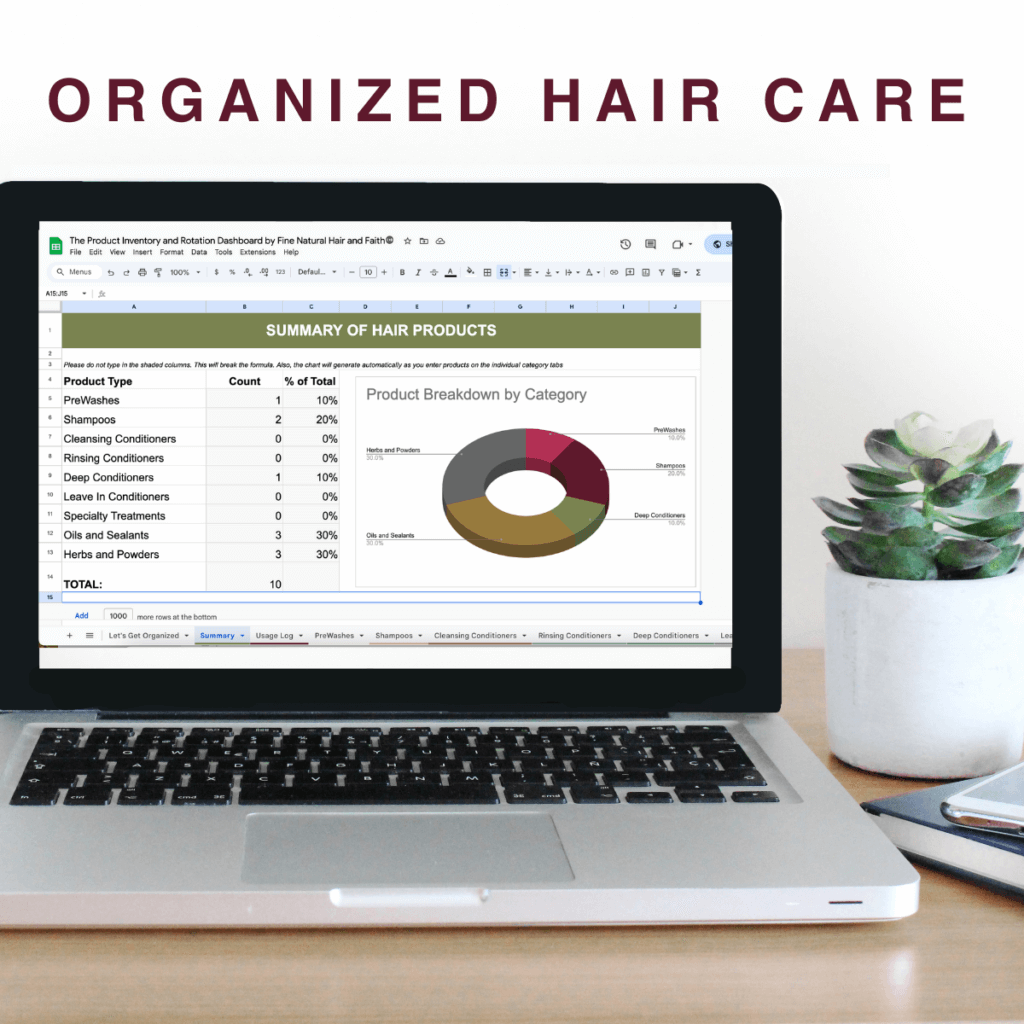
If you crave organization, you may like: The Hair Product Inventory & Rotation Dashboard
Fall Protective Hairstyles for Natural Hair
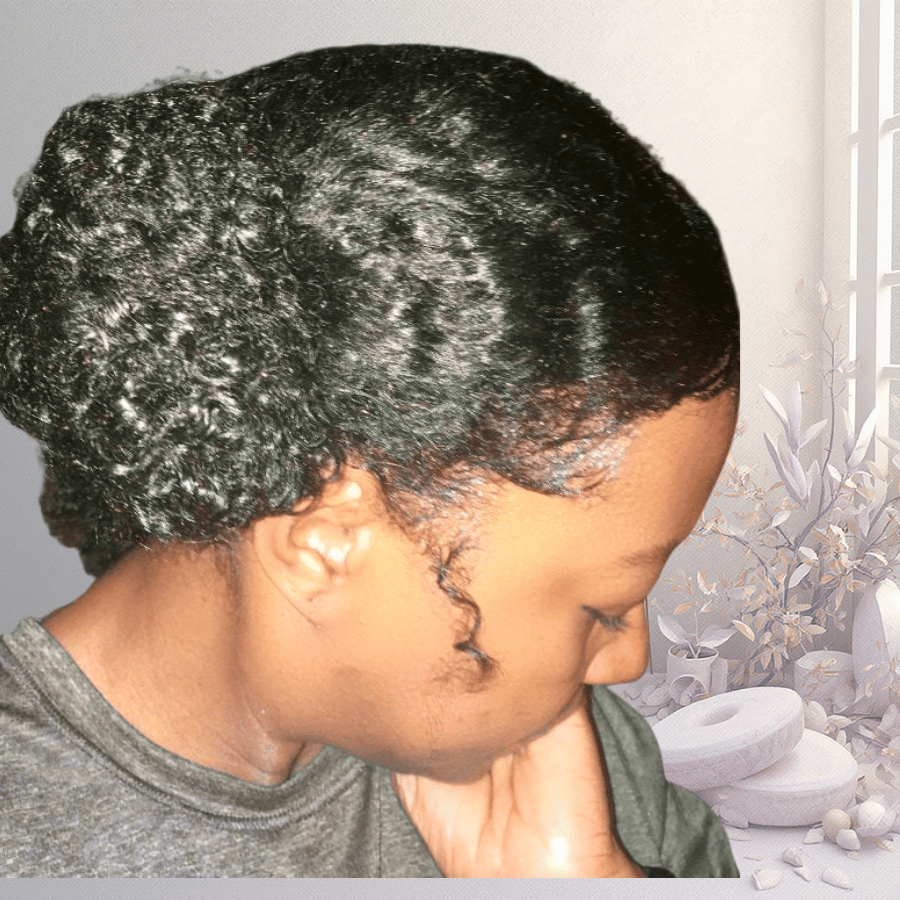
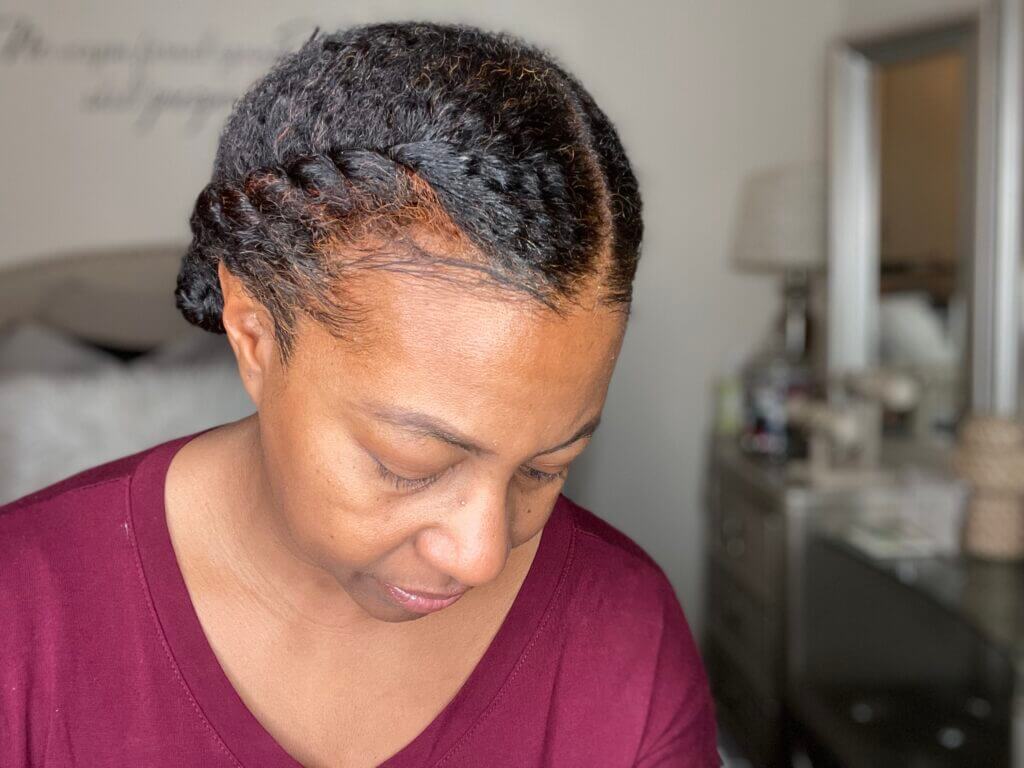
Once your fall hair care regimen is reset, choose the styles you want to rotate through for the season. While the weather is cooling, I recommend you do more protective styling, and you can mix in low manipulation styling to keep things interesting. These are good fall hairstyling options for fine strands:
- Hair buns, worn low, mid, or high, and rotated so the tension never sits in one spot
- Twists done on blown out hair, which stretch beautifully and last longer on fine textures
- Twist outs and braid outs, for the days you want your hair out but defined and clumped together
- Fishtail braids and other special braid styles, when you want protection that still feels dressed up
- Flat twists, quick to install and kind to fine edges

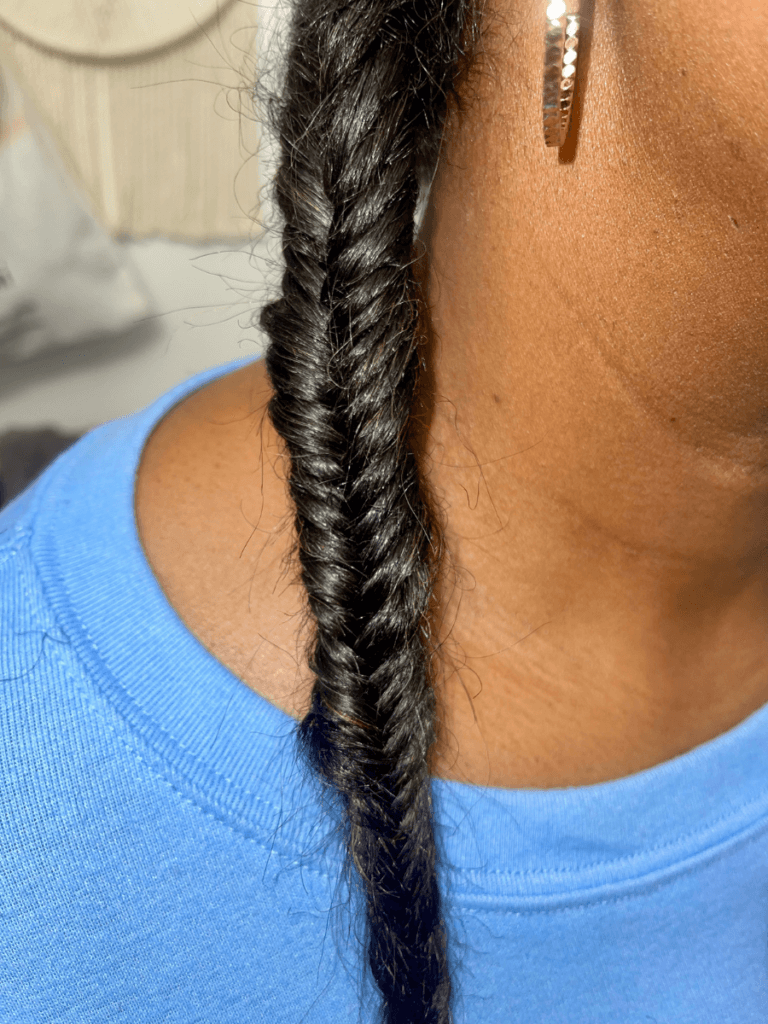


Need some styling inspiration? Check out: Fall Protective Hairstyles for Natural Hair: 7 Easy Styles
Put the Plan on a Calendar
Doing a reset of your current hair regimen will only happen realistically if you commit time to do so. Print or open a monthly calendar for October, November, and December and plug in:
- Your wash days for the month
- One day a month for a protein or other strength treatment added to wash day
- The days you plan to install and take down protective styles
- Any extra routines that serve your goals: hot oil treatments, steaming, scalp massages, a pre poo before wash day, etc
Then, at the end of each month, adjust. Keep what worked and change what didn’t. By December, you’ll be tweaking a plan that fits your real life, and you’ll also be ready to make the small adjustments needed when winter rolls around.
I plan my hair care the same way I plan everything else that matters to me. Preparation is wisdom, and I believe caring well for what God gave me includes scheduling all the little details.
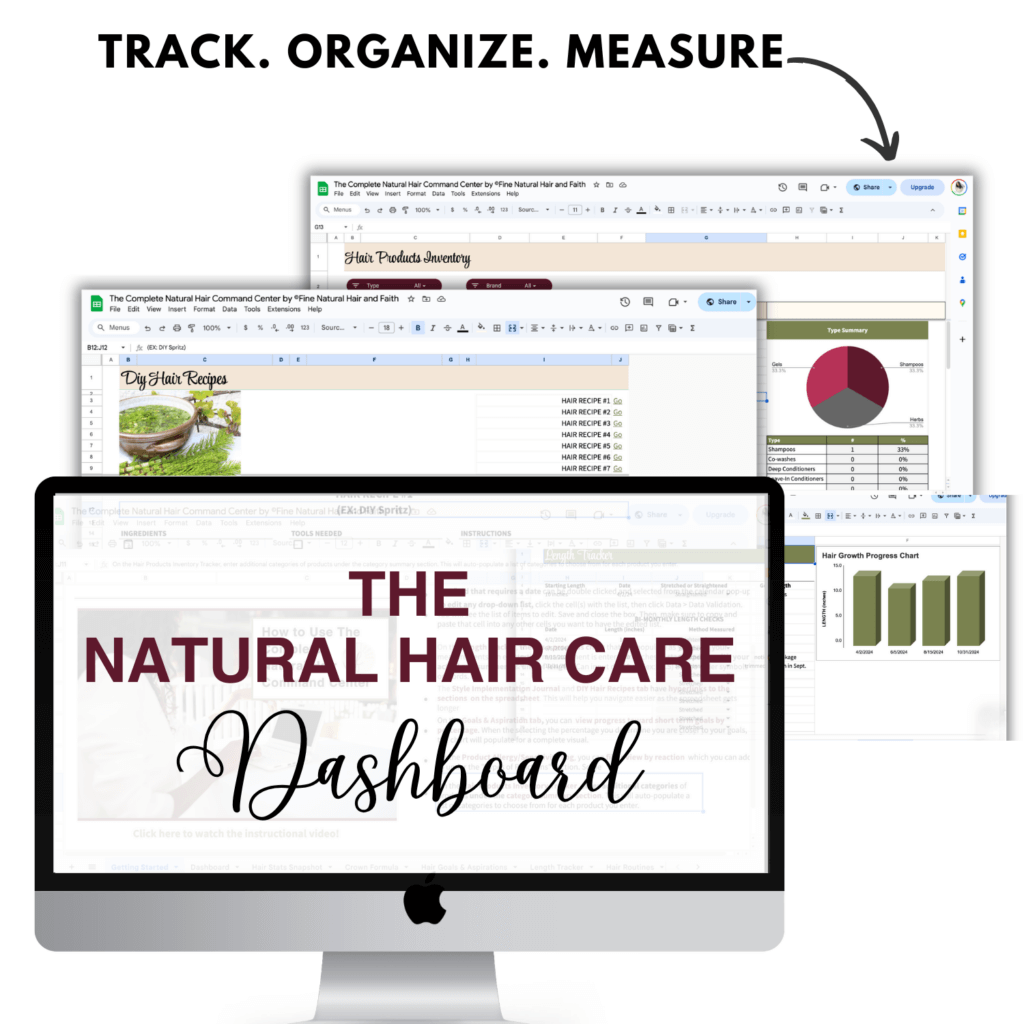
Want a full system to plan and track it all? Check out The Natural Hair Care Dashboard
When You Reset Everything and Your Hair is Still Breaking
Sometimes you do all the things to get your hair right. You set the goals, adjust the routines, overhaul your products, and those darn little broken hairs still show up in the bathroom sink.
That usually means the cause is something specific that a general reset will not catch. It could be friction, a technique, a product mismatch, or something in how your hair is handled. Guessing is expensive and takes too much time.
So, I created a nifty tool called The Breakage Detective. It walks you through a series of questions that will help you identify what is causing the breakage in your fine hair, so you can address the problem.
Find out what is causing your hair breakage with The Breakage Detective. You’ll not only get an analysis, but you’ll also receive access to specific resources to help you address things.
Enjoy the season, and let your hair enjoy it too.
FAQs
Start making changes before the weather fully starts to cool. Ideally, late August through early September is a good time to start making adjustments. The reset is a review of your goals, routines, and products, and doing it while the weather is still mild means you are only making small adjustments once winter arrives.
For fine natural hair, good fall protective hairstyles include buns worn low, mid, or high but not too tight. Also, twists or loose braids done on blown out hair, twist outs and braid outs, fishtail braids, and flat twists. They keep manipulation low and your ends protected without putting heavy tension on your edges.
Often, yes, but it depends. The lightweight products you used when it was warm out may not be sufficient for your hair as the temperatures drop. Many naturals move to a richer deep conditioners and heavier sealants. However, when your hair is fine, lightweight oils are still sufficient when your hair is worn in a curly state.
Deep condition on every wash day during the fall just like you should do year round. Add one strength focused treatment, such as a protein treatment, once a month. Skipping deep conditioning is one of the things you may have gotten away with in the summer that will not serve your hair as well going into the cooler months.
If breakage continues after you adjust your goals, routines, and products, the cause is usually something specific, like a technique, a product mismatch, or how your hair is handled at night. Identifying the actual cause beats guessing, and that is what a breakage diagnostic is for.