
Reboot Your Hair in 6 Steps: Step 3 – Scalp Care
To grow a healthy head of hair, it’s important to lay the framework. Your hair is a symbolic crown provided by God in Heaven (1 Corinthians 11:15). The groundwork needed to have healthy hair is found in these scalp care tips.
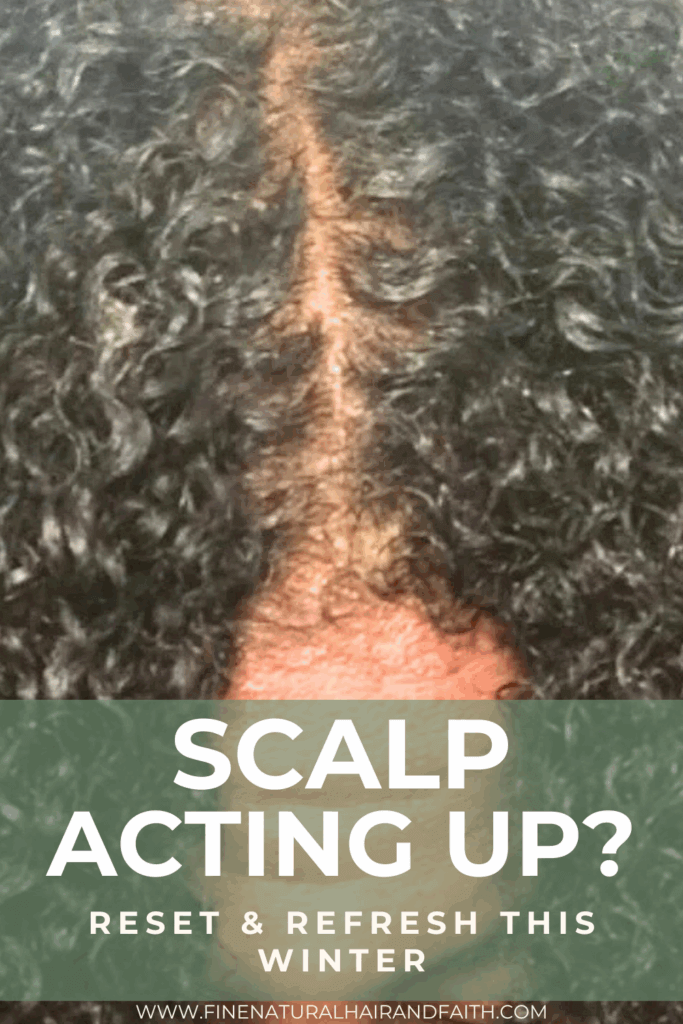
Since your hair grows from your scalp, for obvious reasons, your scalp needs to be healthy. If your scalp suffers from being congested or dehydrated, it will be impossible to grow or maintain healthy hair.
In previous articles, I’ve been sharing steps to rebooting your hair. The last step was on the need to clarify your hair.
Common Scalp Conditions
Today’s step in the process provides some direction on giving attention to caring for your scalp. But, first, let’s take a look at some common scalp conditions not necessarily tied to a medical condition:
- Dryness caused by a loss of moisture in the skin’s barrier of the scalp
- Itchy scalp caused by dryness, allergies or other irritation
- Soreness caused by chemical irritation or pulling the hair too tightly
- Dandruff (not the same as dryness) caused by excess oil production or seborrheic dermatitis
There are other scalp conditions that are related to a disorder of the immune system (ex: alopecia, psoriasis), but those require the care of a doctor, so we won’t discuss those conditions here.
Winter Scalp Care
The winter season can cause your scalp to feel dry and parched, just like the rest of the skin on your body.
If you’ve ever suffered with dry skin on your face, arms or legs in the winter, just know that your scalp can also be affected because it’s also skin. So, if you’ve ever noticed your scalp is more itchy or flaky during the colder months, the tips you are about to read can help.
Attention to Scalp Care: How to Have a Healthy Scalp
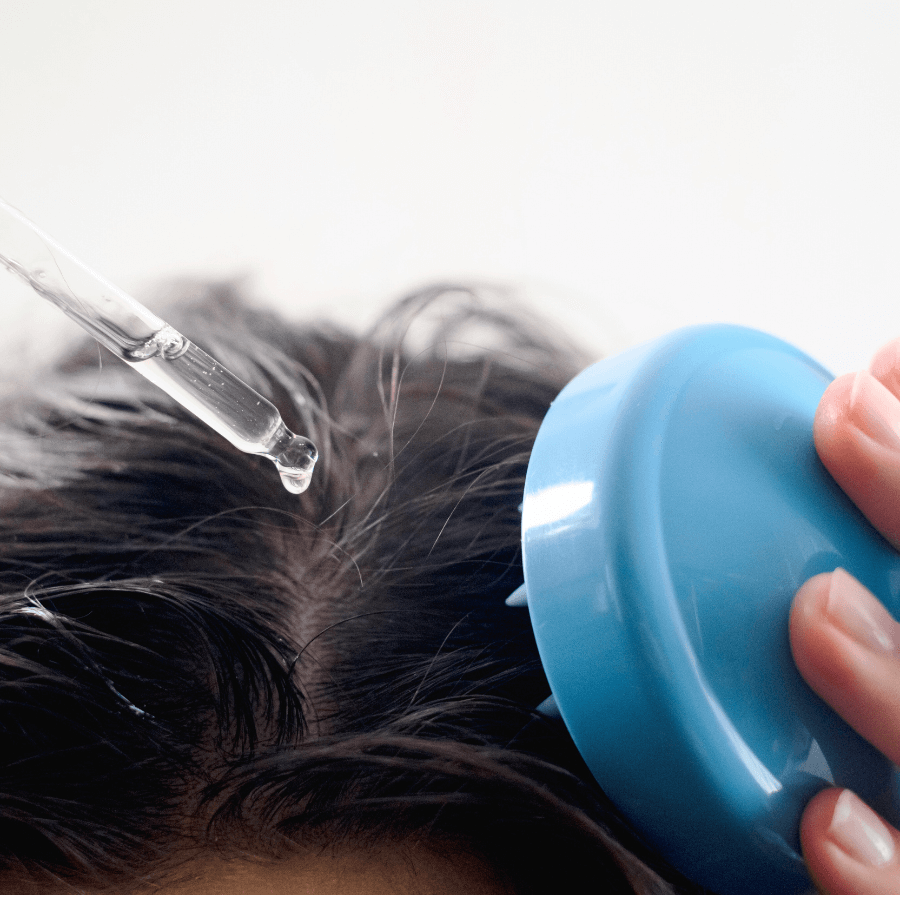
The following scalp care tips will help provide your scalp with a 360-degree level of care, thereby helping to alleviate some of the common scalp conditions. Many of the conditions are especially concerning during the winter months:
Stay hydrated
Drink plenty of water (1/2 your body weight in ounces of water). Having a healthy scalp starts from within.
Thoroughly cleanse your scalp on wash day
Co-washing alone does not thoroughly cleanse the scalp. It’s not capable of removing product buildup. You can still co-wash your hair, but shampoo your scalp to get it completely clean.
Add tea tree oil to your shampoo
Tea trea oil is a powerful antimicrobial and antibacterial agent. Add it to your shampoo to kill bacteria on the scalp.
Exfoliate your scalp
At least once a month, exfoliate your scalp with an exfoliating shampoo brush and/or exfoliating scalp scrub to remove dead skin cells. This will make room for healthier cells that will help birth healthier hair.
Exfoliating also helps remove product buildup from the scalp.
Massage your scalp
2-3 times a week, massage your scalp to improve circulation.
Use a lightweight blend of essential oils mixed with a non-comedogenic carrier oil to boost the effectiveness of your scalp massage. A blend of Jojoba/Rosemary/Lavender is a great nourishing oil blend for the scalp.
Avoid hair products with harsh chemicals
Many chemicals found in hair care products can severely throw off the pH balance of the scalp. So, try to use hair products with natural ingredients. Check the Cosmetics Safety Database when in doubt.
Do an occasional Apple Cider Vinegar (“ACV”) Rinse
Use 1 part ACV to 2 or 3 parts water to help keep the scalp pH balanced and aid in the removal of product buildup. ACV is especially helpful for removing stubborn dirt and oils if you aren’t keen on using shampoo.
ACV rinses should be done no more than once a month though.
Keep your hair tools clean
Clean hair tools are often overlooked in the importance of scalp care. Yet, keeping your hair tools clean ensures you aren’t reintroducing dirt and bacteria to your scalp.
This includes your combs, brushes, scarves and even your pillowcases.
By giving attention to your scalp, you’ll pave the way to successfully rebooting your hair.


