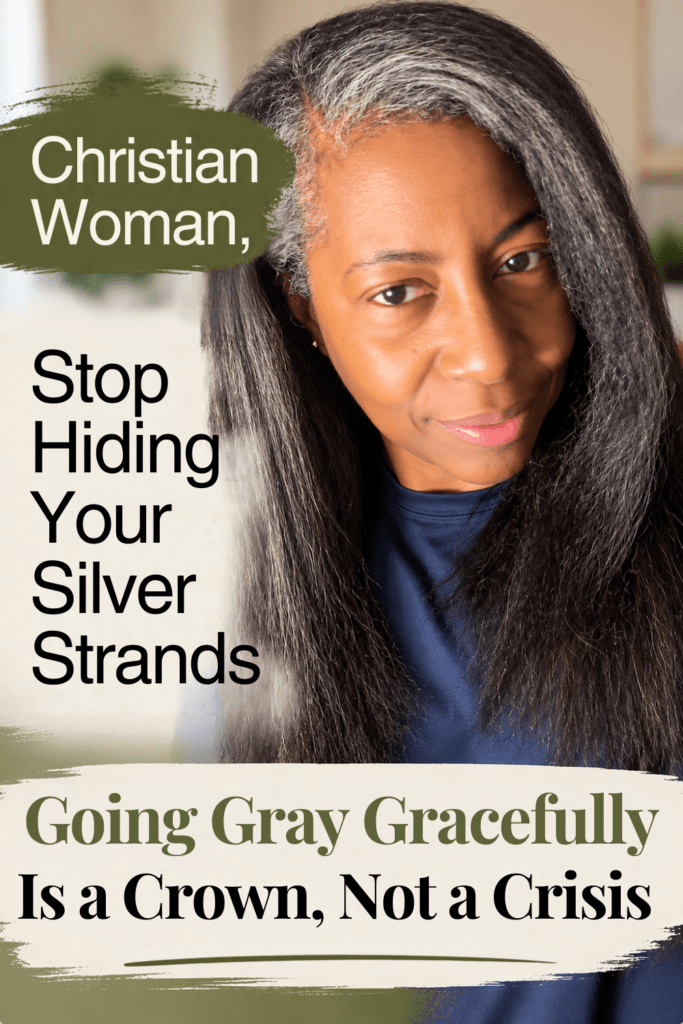
Going Gray Gracefully With Natural Hair: What Changes and How to Pivot
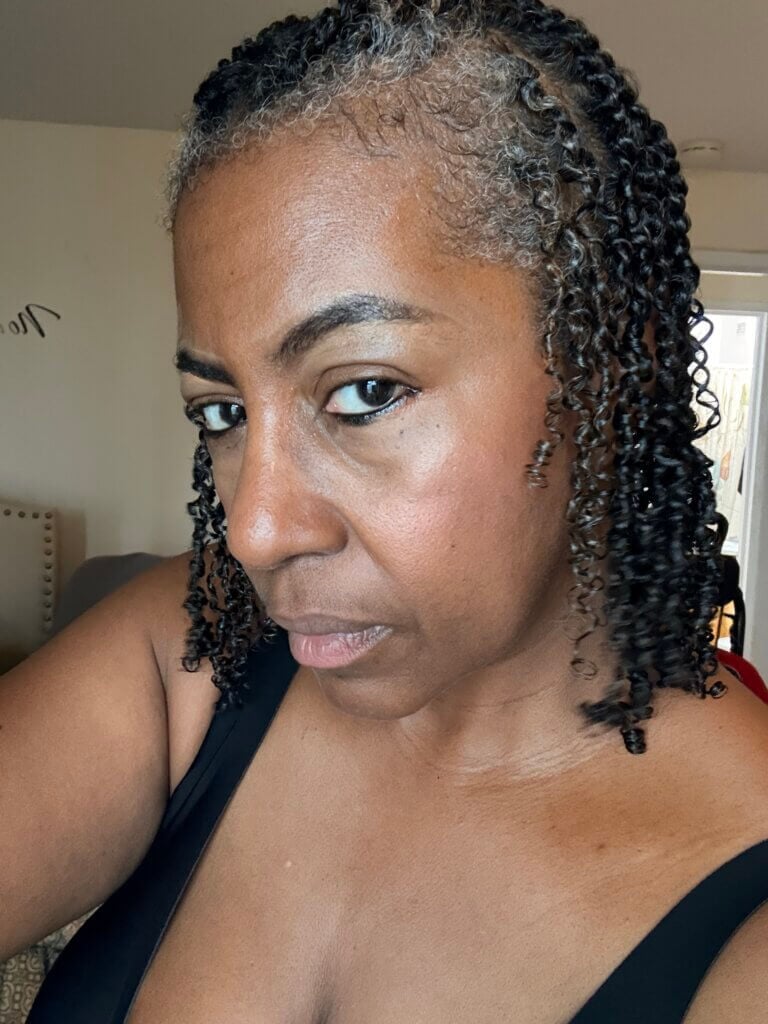
Your natural hair may not behave at 50, 60, or 70 the way it did at 30. That doesn’t mean something is wrong with it. It just means it’s time to pivot.
And by pivoting, it doesn’t necessarily mean you need a complete overhaul. You just may need to tweak here or there…or a complete overhaul. LOL! Such is life.
As a black woman with fine natural hair that’s transitioning to gray, I’m learning to embrace the changes. This includes making adjustments to my hair care routines while having confidence with gray hair. That includes wearing my naturally curly hair straight on a regular basis.
While working with my changing texture, I’m also continuing to pursue my goal of growing long, healthy natural hair.
Going gray gracefully doesn’t mean giving up your hair goals. It means learning how to care for the hair you have today while embracing the woman you’re becoming.
Whether you’re just beginning your natural gray hair transition or you’ve been embracing your silver strands for years, let’s talk about what changes with aging hair and how to adjust your routine without sacrificing your length or your favorite hairstyles.
Going Gray Gracefully: Why I Finally Decided to Embrace Silver Strands
“The silver-haired head is a crown of glory, If it is found in the way of righteousness.” — Proverbs 16:31 (NKJV)
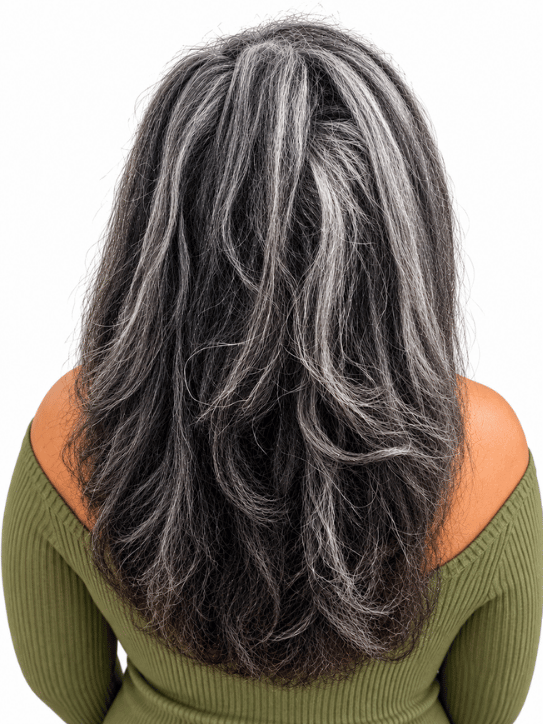
For a long time, I wasn’t quite ready to embrace my gray hair. Instead, I covered my grays with henna.
I didn’t want to use chemical hair dyes, and I absolutely loved the color henna gave my gray strands. But if you’ve ever used henna, you know that the process can be quite time-consuming.
Eventually, I decided I didn’t want to keep putting in all that work just to cover the hair that was naturally growing out of my head.
So, I made the decision to stop covering my grays and embrace my natural hair color.
That doesn’t mean I’ve stopped caring about how my hair looks. I’m simply learning how to work with my changing hair rather than trying to conceal it.
And while my approach to styling has changed, my desire to grow long, healthy natural hair hasn’t.
Proverbs 16:31 describes silver hair as a crown of glory. What a beautiful reminder that growing older isn’t something we need to hide.
For me, going gray gracefully means appreciating the hair God has given me while continuing to care for it and wear it in ways I enjoy.
What Changes With Aging Hair?
One of the things I’m learning about aging hair is that the changes go beyond simply losing pigment.
Your hair’s texture, density, growth rate, and moisture needs can change as you get older. And if you’ve spent years developing a solid natural hair regimen, some of those changes may require you to rethink your approach.
Here are five changes to watch for.
1. Changes in Hair Texture
Have you noticed that your gray strands seem to have a mind of their own
Some women find that their gray hair becomes coarser or more wiry, while others notice that their strands become finer or softer.
In my case, my grays tend to look fuzzier and frizzier than my darker strands, especially when I wear my hair in its naturally curly state.
That’s one of the reasons I’ve decided to wear my natural hair straight, which I’ll discuss a little later.
2. Changes in Hair Density and Thinning
As we age, some of our hair follicles can begin producing thinner strands, while others may eventually stop producing hair altogether. Hair can also shed more than normal.
This can result in reduced density, particularly around the temples, edges, and crown.
If you already have fine natural hair, you may find that these changes become even more noticeable.
However, going gray doesn’t automatically mean your hair will become thin. Genetics, hormonal changes, and your overall health also play important roles. I’m beyond grateful that this hasn’t been my experience. I’m 57, and while I don’t have high-density hair, it’s managed to stay roughly the same amount of density with normal shedding.
3. Increased Dryness
Your scalp’s oil production can change with age, and some women find that their hair becomes increasingly dry.
You might discover that the products and techniques you’ve relied on for years no longer deliver the same results.
Pay attention to how your hair feels rather than automatically reaching for heavier products (especially if your hair is fine). Too much product can leave your strands weighed down and even greasy-looking.
4. Slower Hair Growth
Hair growth can definitely slow down as you age, although this varies from person to person.
That doesn’t mean you can’t grow long gray hair. It simply makes retaining the length you already have even more important. With hair growing more slowly, you need to preserve as much of that hair growing out as possible!
5. Changes in Your Scalp
Your scalp may become drier or more sensitive as you age. Hormonal changes, particularly during menopause, can also affect your scalp and hair.
Pay attention to persistent itching, irritation, excessive shedding, or noticeable thinning.
Don’t automatically dismiss these changes as normal signs of aging though. If something seems unusual, consult a dermatologist.
Your Natural Gray Hair Transition: Three Ways to Make the Change
If you’ve been coloring your hair and are ready to embrace your natural grays, you have several options.
There’s no single correct way to make the transition. Your decision should depend on your hair goals, personal preferences, and how much maintenance you’re willing to do.
1. Grow Your Grays Out Gradually
This approach allows your natural gray hair to grow in without cutting off your existing length.
You’ll go through a period when your natural gray roots contrast with your previously colored hair, but you can gradually trim away the colored ends as your hair grows…. or just leave it.
If retaining length is important to you, this may be the approach you prefer.
2. Do the Big Chop
If you’re ready for a dramatic change, you can cut away your previously darker colored hair and start fresh with a shorter hairstyle.
A big chop eliminates much of the waiting involved in growing out your grays.
However, there’s no reason to cut your hair short if that’s not what you want.
3. Blend Your Grays
Another option is to gradually blend your gray strands with your existing hair color.
Some women use highlights or lowlights to soften the contrast between their natural gray hair and previously colored strands. This is what henna did for me.
This can make the transition less noticeable, although it may require additional salon maintenance if you don’t DIY hair coloring.
If you’re trying to avoid chemical color altogether, growing out your grays naturally may be more appealing. This is where I am at in life right now.
Vogue shared an interesting article: How Gray Blending Let’s You Embrace Your Silver Strands.
Gray Hair Growing Out: Getting Through the Two-Tone Stage
One of the more challenging parts of transitioning to gray hair can be dealing with two noticeably different colors.
If you’ve previously colored your hair, you may have a distinct line separating your natural gray roots from the rest of your hair. OR, you may have what some of us call the dreaded “skunk patch!”
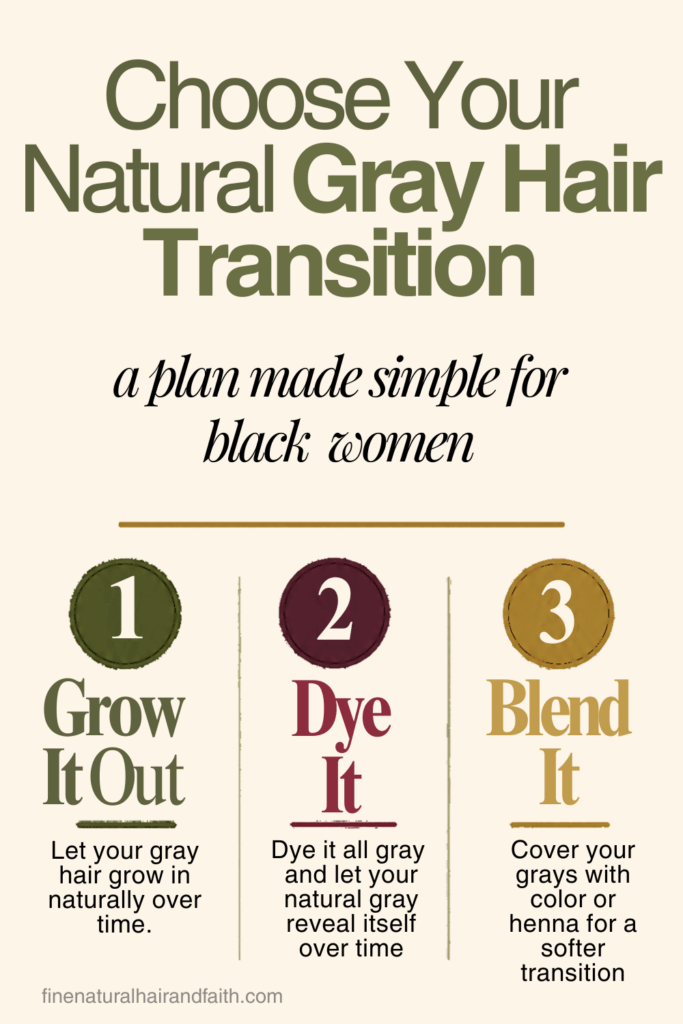
If the two colors growing on your head at the same time bother you, there are definitely some things you can do.
Choose Hairstyles That Work With Your Changing Color
Experiment with different parts and hairstyles that allow your gray strands to blend naturally with the rest of your hair.
A side part, low bun, loose twists, or simple ponytail can help you manage your hair while your grays grow in.
You might also discover that changing the way you style your hair makes the contrast between your gray and darker strands less noticeable.
Why I’m Choosing to Wear My Graying Natural Hair Straight
One of the biggest changes I’ve made to my own natural hair regimen is deciding to wear my hair straight.
When I first decided to make this change, I shared why I’m becoming a straight-haired natural. My goal was to find a way to enjoy wearing my hair straight more regularly without sacrificing the health and length I’ve worked so hard to maintain.
My natural hair is fine and curly, but as my grays have come in, I’ve noticed that those strands tend to look fuzzier and frizzier than my darker hair.
When I wear my hair straight, I find that my gray strands blend more smoothly with my darker strands. I simply prefer the way my hair looks when the two textures are more uniform.
Now, let me be clear about something.
I’m not saying that naturally curly hair isn’t polished or beautiful. I’m talking specifically about how my own graying hair behaves and the appearance I prefer.
I’ve received some backlash on YouTube for describing my desire to straighten my natural hair to look more polished. But what looks polished to one woman may be completely different for another.
For me, straightening my hair makes it easier to manage the contrast between my grays and my darker strands while achieving the smoother appearance I enjoy.
That doesn’t mean you need to straighten your hair to embrace your grays. If you love wearing your natural curls, continue enjoying them!
The important thing is finding a styling approach that works for your changing hair and your personal preferences.
Of course, because I’m using heat more regularly, I’m also being intentional about heat protection, minimizing unnecessary passes with my flat iron and monitoring the condition of my hair.
If you prefer to straighten your hair more regularly, you’ll need good heat protectants.
Protect Your Ends During the Transition
Whether you’re growing out previously colored hair or simply allowing more gray strands to come in, don’t neglect your ends.
Continue conditioning regularly, detangling gently, and protecting your hair while you sleep.
If you’re transitioning from previously colored hair, remember that your older ends may have different needs than your new growth.
You may need to adjust your regimen to accommodate both.
If you’re considering making the switch yourself, I’ve shared the pros and cons of being a straight hair natural with graying fine hair, including what I’ve discovered about managing frizz, reducing tangles, and protecting my fine strands.
My Transition to Gray Hair: Before and After
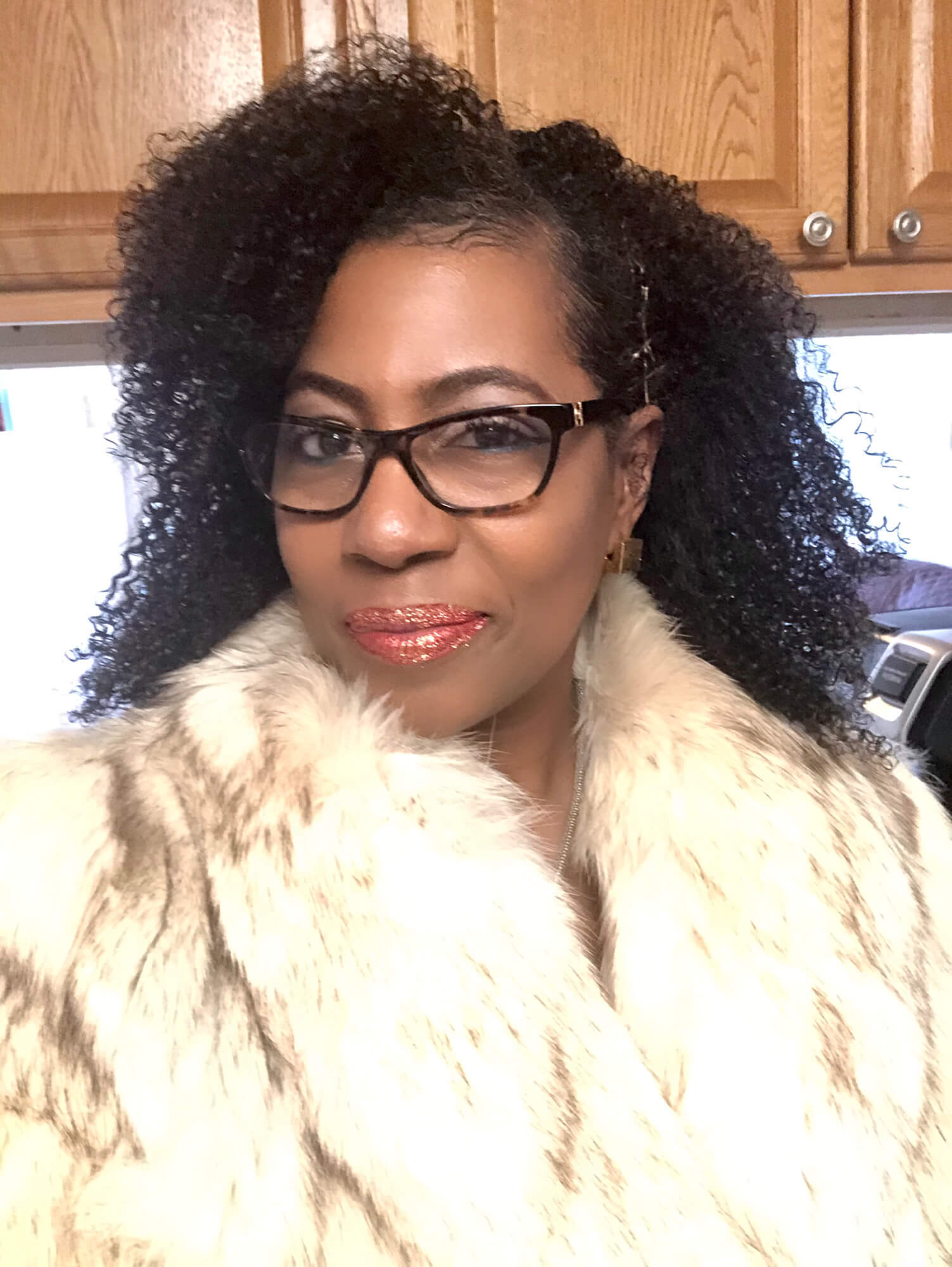
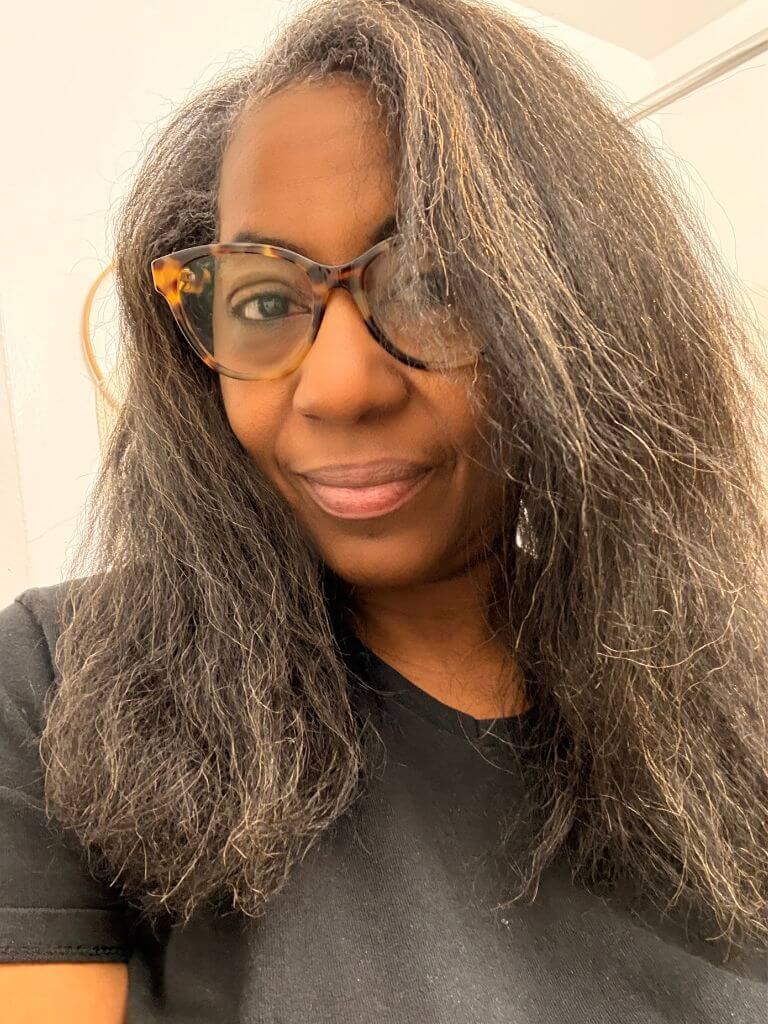
One of the things I appreciate about documenting my natural hair journey is being able to look back and see how much my hair has changed.
My transition to gray hair is nowhere near complete, and I’m not in a hurry to rush the process. Instead, I’m learning how to work with the silver strands I have while continuing to pursue my hair goals.
I’m also discovering that the way I choose to style my hair can make a noticeable difference in how my grays blend with the rest of my hair.
Grey Hair Care: Caring for Your Hair Without Complicating Your Routines
As your hair changes, your regimen may need to change along with it.
However, caring for natural grey hair doesn’t necessarily require an entirely new collection of products or a complicated routine. However, if you decide to care for your gray hair in a straight state like me, you’ll definitely need new products.
Start with the fundamentals and make adjustments based on how your hair responds.
Keep Your Hair Moisturized
Continue conditioning your hair regularly and pay attention to how your gray strands respond to your existing products.
You may discover that your hair needs a richer conditioner, a different leave-in, or more frequent conditioning.
However, if you have fine natural hair, be careful not to overload your strands with heavy products.
Practice Gentle Hair Handling
Gray hair can sometimes feel wirier or more difficult to manage, but be careful not to do aggressive detangling or excessive manipulation.
Work in manageable sections, use products that provide sufficient slip, and avoid pulling unnecessarily on your strands.
Low-tension hairstyles can also help minimize breakage.
Maintain a Healthy Moisture-Protein Balance
As you age, your silver hair still needs an appropriate balance of moisture and protein.
However, don’t assume that gray hair automatically needs more protein.
Pay attention to how your hair responds to your treatments. If your strands feel unusually stiff or brittle, reevaluate your routine rather than automatically adding more protein.
Take Care of Your Scalp
Healthy hair care begins with a clean and balanced scalp.
Continue cleansing regularly and pay attention to changes in dryness, sensitivity, or irritation.
If you’re experiencing unusual thinning or excessive shedding, consider seeing a dermatologist rather than assuming it’s simply part of getting older.
Protect Your Silver Strands From Discoloration
Gray hair can sometimes develop a yellowish appearance from product buildup, environmental exposure, or heat styling.
Clarifying your hair when needed can help remove buildup, while occasional use of purple shampoo may help neutralize unwanted yellow tones.
If you’re using heat to style your natural gray hair, be mindful of excessive temperatures, which can contribute to discoloration and damage. I personally will not use heat over 390 degrees. For some people, that may be too much for their grays. Mine are stubborn.
Growing Long Gray Hair: Why I’m Not Cutting Mine Short

There’s an idea that women should cut their hair shorter as they get older because shorter hairstyles supposedly look more mature or age-appropriate.
I don’t subscribe to that.
If you want long gray hair, grow it! Your age doesn’t have to determine how long you wear your hair.
Some stylists recommend face-framing layers for women with longer hair because they can add movement and shape. That’s certainly an option, but it isn’t a requirement.
Personally, I’m working toward having my fine natural hair fall at approximately the same length.
I’ve never quite achieved that goal, and I’m not ready to abandon it simply because my hair is turning gray.
I may reconsider layers later, but right now, length retention and achieving fuller-looking, more even ends remain my priorities.
Five Ways to Retain Length as Your Hair Grays
1. Minimize unnecessary manipulation. Choose hairstyles that don’t require constantly restyling or handling of your hair.
2. Protect your ends. Keep them conditioned, minimize friction, and pay attention to signs of splitting or breakage.
3. Be intentional about heat styling. If you choose to straighten your natural gray hair, always use adequate heat protection, use only the minimal amount of heat needed to straighten, and avoid unnecessary passes with your flat iron.
4. Trim according to your hair’s needs. Pay attention to the condition of your ends rather than automatically cutting off significant amounts of hair simply because you’re getting older.
5. Protect your hair while sleeping. Use a satin or silk bonnet, scarf, or pillowcase to reduce friction and help preserve your hairstyle. As you age, hormones may dictate that you don’t cover your head. If that’s the case, tie only your edges down and sleep on a satin/silk pillowcase.
Remember that growing hair and retaining length are two different things. Your hair may continue growing from your scalp, but if your ends are constantly breaking, you won’t see much progress.
For more guidance, read my 10 Non-Negotiable Practices of Naturals Who Retain Length.
If you’re planning to wear your natural hair straight while continuing to grow it longer, check out my 7 hair care practices of women with long straight natural hair. These are practices worth considering if you want to enjoy straight hair without giving up your length goals.
Your Hair Goals Can Age With You
One thing I’ve learned after more than 25 years of being natural is that your hair goals don’t have to remain the same throughout your life.
Maybe your goal used to be achieving maximum length. Now it might be maintaining the length you have while reducing breakage. Or perhaps you’re ready to embrace your grays, simplify your wash day, wear your natural hair straight more often, or give your thinning edges some extra attention.
Your priorities may change as your hair changes, and that’s perfectly fine.
For me, length retention is still important. I’m not ready to give up my goal of having my fine natural hair fall at approximately the same length (waist). But I’m also making room for new priorities, including embracing my grays and finding a simpler way to care for my hair.
That’s where intentional hair care comes in. Instead of continuing a regimen simply because it’s what you’ve always done, consider whether it still supports your current hair needs and goals.
And if your goal is simply to spend less time managing your hair and more time enjoying it, there’s nothing wrong with that either!
Your hair goals don’t have to disappear as you get older. They can mature with you.
Simple Hairstyles for Gray Hair That Require Less Manipulation
As my hair continues to gray, I’m becoming increasingly interested in keeping my hairstyles simple.
There’s nothing wrong with elaborate updos or intricate hairstyles if that’s what you enjoy.
For me, simple hairstyles make it easier to maintain my fine natural hair without unnecessary manipulation.
Here are a few options worth considering.
A Simple Ponytail
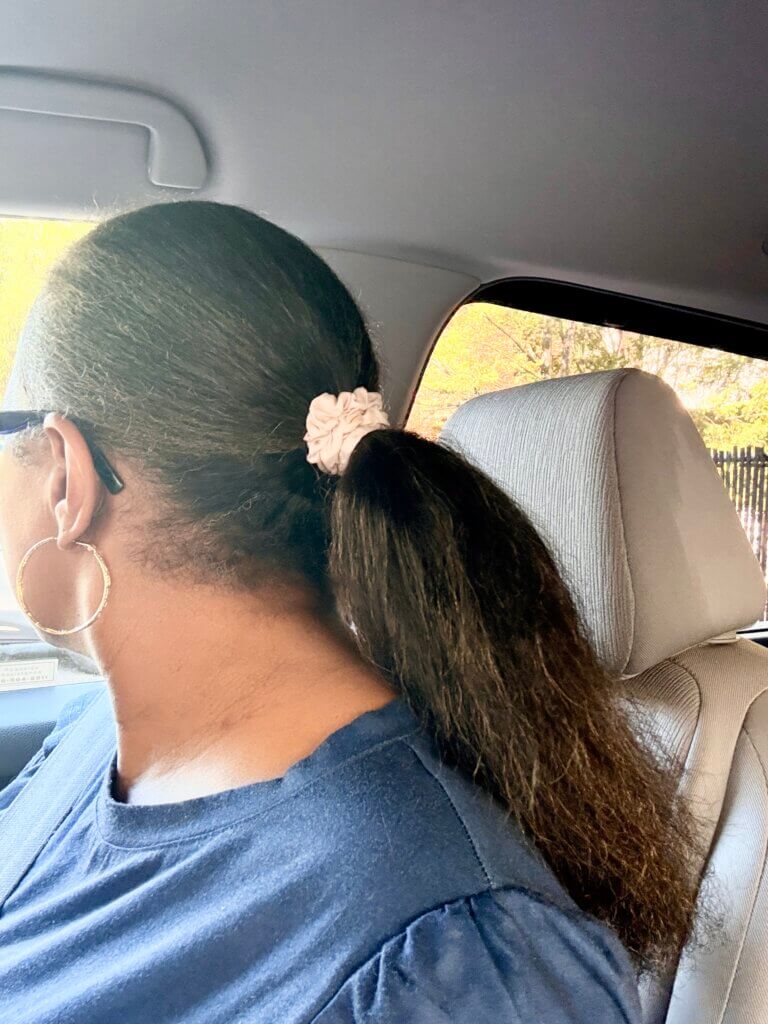
A ponytail is an easy way to keep your hair together without spending a lot of time styling.
Avoid pulling your hair too tightly, particularly around your edges.
A Low or Mid-Height Bun
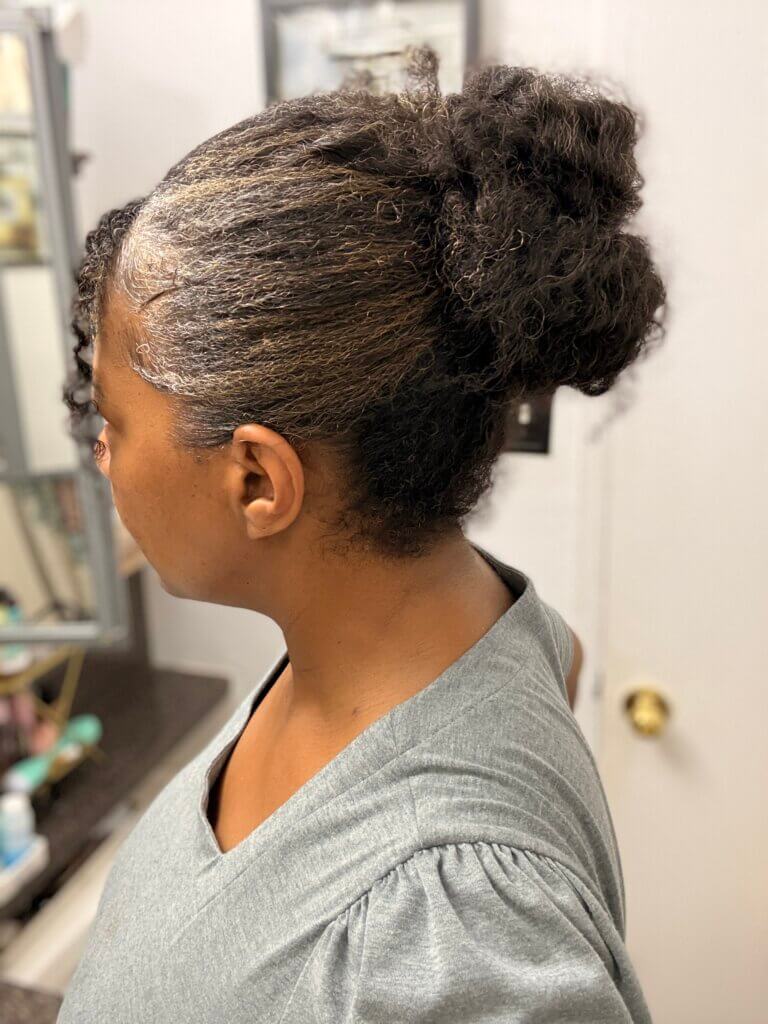
A low bun can help keep your ends tucked away while creating a simple, attractive hairstyle.
Just be mindful of the amount of tension you’re placing on your hair.
Straight Hair With a Side Part

If you prefer wearing your natural gray hair straight, a simple side part can help showcase your silver strands without requiring additional styling. You can even bump your ends.
At night, unless I’m wrapping my hair, I’ll put it in 2 bantu knots so that when I release them in the morning, I have a little texture at the ends.
This is particularly appealing if you’re trying to minimize manipulation between wash days.
Loose Twists
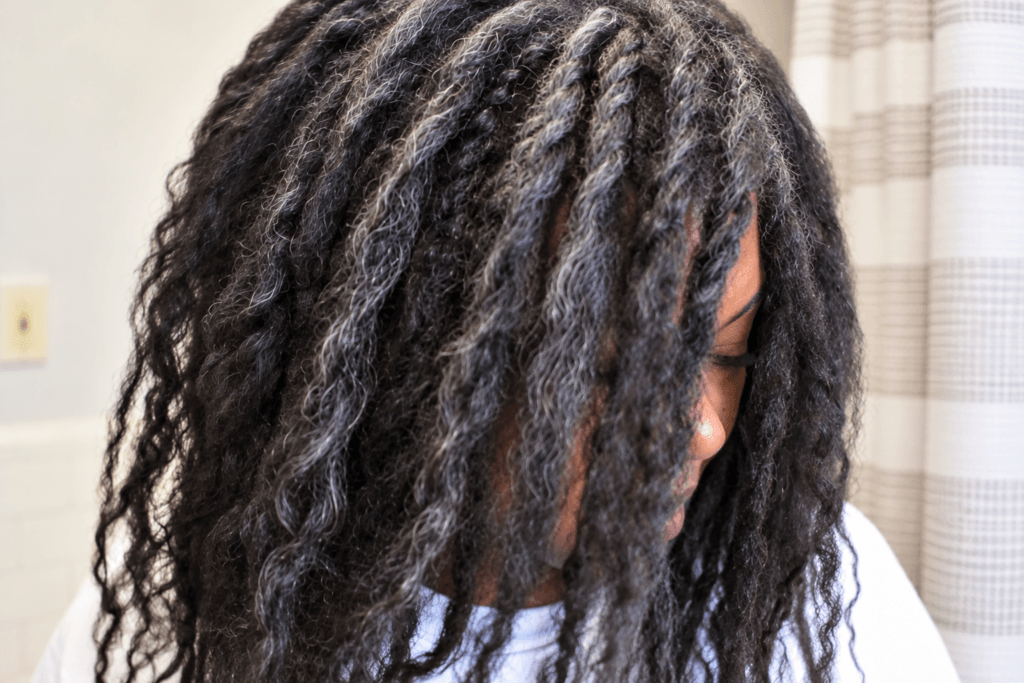
If you prefer wearing your natural texture, loose twists can be a convenient styling option.
They can also help keep your hair organized and reduce the amount of daily detangling required.
The goal isn’t to limit your styling options. It’s to find hairstyles you enjoy that also support the health of your hair.
Aging Gracefully: Seeing Yourself the Way God Does
Going gray gracefully is about more than changing your hair care routine. It’s also about learning to appreciate the woman you’re becoming.
We live in a society that places tremendous emphasis on youth. Women are constantly encouraged to conceal the visible signs of aging, whether that means covering gray hair or pursuing the latest anti-aging treatment.
But our value as women doesn’t diminish with age.
Proverbs 16:31 reminds us that silver hair can be a crown of glory when accompanied by a life of righteousness.
And embracing that crown doesn’t require you to stop caring about your appearance.
You can love your gray hair, enjoy styling it, pursue your length goals, and still appreciate the woman God created you to be.
You also don’t need to prove that you’re aging gracefully by refusing to color your hair, cutting it short or wearing it in a particular style.
For some women, embracing their grays means doing a big chop. For others, it means gradually growing out years of hair color. And for women like me, it means allowing our silver strands to come in naturally while continuing to enjoy the hairstyles we love.
There’s room for all of us.
Final Thoughts on Going Gray Gracefully
Your hair will continue changing as you age, and your regimen may need to change along with it.
But you don’t have to give up the things you love about your hair simply because it’s turning gray.
Whether you’re growing out your grays, embracing a short silver cut, or pursuing waist-length gray hair, give yourself permission to enjoy the process while walking in confidence with your gray hair.
I’m still figuring out what works for my own graying fine natural hair, and I expect to make more adjustments along the way.
For now, I’m enjoying wearing my hair straight, watching my grays come in and working toward the length I’ve always wanted.
After years of covering my grays with henna, I’ve decided to embrace the color God gave me naturally.
And that’s what going gray gracefully looks like for me.