What Changes on Wash Day Once You Start Wearing Your Natural Hair Straight
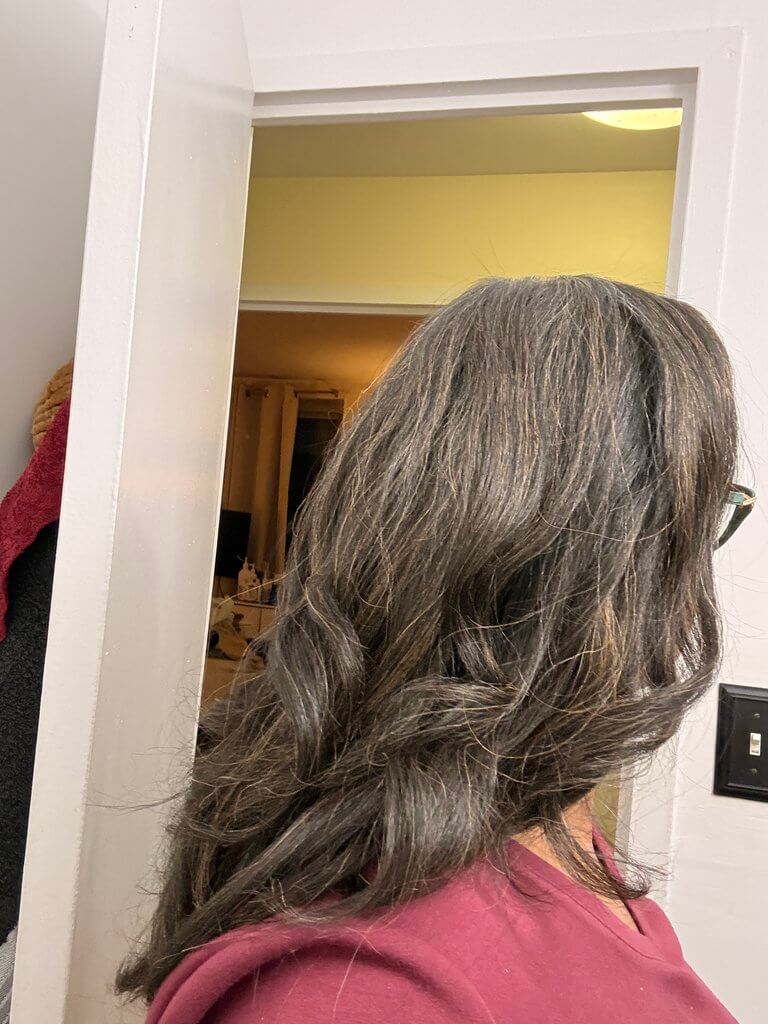
If you’ve been wearing your natural hair curly for years and decide to start wearing it straight more often, you may think the biggest change will be how you style your hair.
And to be clear, I’m talking about women who have decided to wear their natural hair straight most or all of the time, not those who get an occasional silk press.
But there’s something else that changes, too.
Your wash day routine.
When you’re wearing your hair in its natural curly state, you’re usually focused on getting your curls moisturized, defined, and ready for whatever style you have planned.
But when you start wearing your natural hair straight, your focus shifts to getting your hair smooth, reducing frizz, protecting it from heat, and maintaining your straight style without compromising the health of your strands.
If you’re becoming a straight natural, learning how to care for straight natural hair starts with understanding what needs to change on wash day.
That doesn’t mean you have to throw away everything you’ve learned about caring for your natural hair. It simply means making a few adjustments.
Let’s talk about what those changes look like.
1. Your Wash Day Routine Needs a Few Adjustments
One thing about wearing your natural hair straight is that the preparation starts long before you pick up a flat iron. It actually begins when you wash your hair.
When you’re preparing for a wash-and-go or another curly style, you may not be too concerned about using products that leave your hair feeling coated or heavily moisturized.
In fact, depending on your hair’s needs, those products may be exactly what helps your curls look and feel their best. But when you’re preparing to straighten your hair, you need to start with clean, properly conditioned hair that won’t be weighed down by product buildup.
Cleansing Your Hair
A good cleansing routine becomes especially important when you’re wearing your natural hair straight. It’s necessary to fully remove dirt, excess oils, and product buildup so your hair has a clean foundation for styling.
If you’ve been using a lot of heavy creams, butters, or oils, I recommend you use a clarifying shampoo to remove all residue.
You won’t necessarily need to clarify every wash day. How often you clarify depends on how much buildup you experience and the products you use. The goal is simply to get your hair clean without leaving it feeling stripped.
However, for those of who silk press, we usually use very little product.
Conditioning Your Hair
Conditioning is and will always be an important part of wash day. After all, just because you’re wearing your hair straight, it doesn’t mean it no longer needs moisture and care.
I would still make deep conditioning a priority, especially if you’re going to be using heat.
A good conditioner can help improve manageability, reduce friction during detangling, and leave your hair feeling softer.
Detangling and Preparing for Styling
Detangling is another step you don’t want to rush. Yes, it becomes easier when you wear your hair straight but you still need to carefully work through tangles in a way that minimizes pulling and unnecessary tension.
Before blow-drying, make sure your hair is thoroughly detangled and divided into manageable sections.
Then, once your hair is clean, conditioned, and detangled, you’ll want to be intentional about what you apply before styling.
That brings me to the next change.
2. Moisture Still Matters, but How You Moisturize Will Change
Let’s clear something up.
Wearing your natural hair straight doesn’t mean you stop moisturizing it.
Natural hair still needs proper conditioning and protection from dryness, whether you’re wearing it curly, stretched, or straight. What changes is how you approach moisture.
When you’re wearing your curls, you may be accustomed to using water-based leave-ins, moisturizing creams, and oils to help your hair stay soft and manageable. Then, spritzing water on your hair throughout the week to refresh it between wash days.
No mam, we can’t do that anymore. LOL not if you want to keep your hair straight
When you’re wearing your natural hair straight, adding water or heavy moisturizing products can cause your hair to quickly revert, become frizzy, or lose that smooth finish you worked so hard to achieve. I know this all too well.
So you have to be a little more strategic.
The Moisturizing Strategy + My Little Trick for Moisturizing Straight Natural Hair
For example, instead of layering several heavy products onto your hair, you may find that a lightweight leave-in conditioner and an appropriate heat protectant are enough to prepare your hair for styling.
The exact products you use will depend on your hair’s needs and the instructions for those products.
However, if your ends start to feel dry and in need of moisture, there’s a little trick you can follow to give your hair what it needs:
- Right before you wrap your silk press, apply the tiniest amount of a moisturizing product to your ends.
- Then, wrap your hair, tying it down tight
This simple two step process will give your hair some moisture while keeping reversion at bay. I find that I don’t typically need to do this until around day 7 or 8 after pressing my hair. By then, I’m almost ready to wash it anyway.
And here’s two important things to remember:
- Truly moisturized and hydrated hair begins on wash day and the key is deep conditioning well.
- Moisturized hair is not greasy hair. Sometimes we associate moisture with hair that feels coated in oils and creams.
But oils don’t actually add water to your hair. They can help lubricate the strands and reduce moisture loss, depending on the product.
Proper cleansing, conditioning, and choosing products that work for your hair are all part of maintaining healthy hair.
When you’re wearing your hair straight, you want to care for your strands without creating unnecessary buildup or weighing them down.
It’s about finding that balance.
3. Heat Protection Is No Longer Optional
If there’s one part of your routine you need to take seriously when wearing your natural hair straight, it’s heat protection.
Because while heat can give you a beautiful, smooth style, excessive heat can also damage your hair. And I’m not just talking about split ends.
Repeated exposure to high temperatures can weaken the hair fiber and affect your natural curl pattern.
That’s why being intentional about how you use heat matters.
Always Start With a Heat Protectant
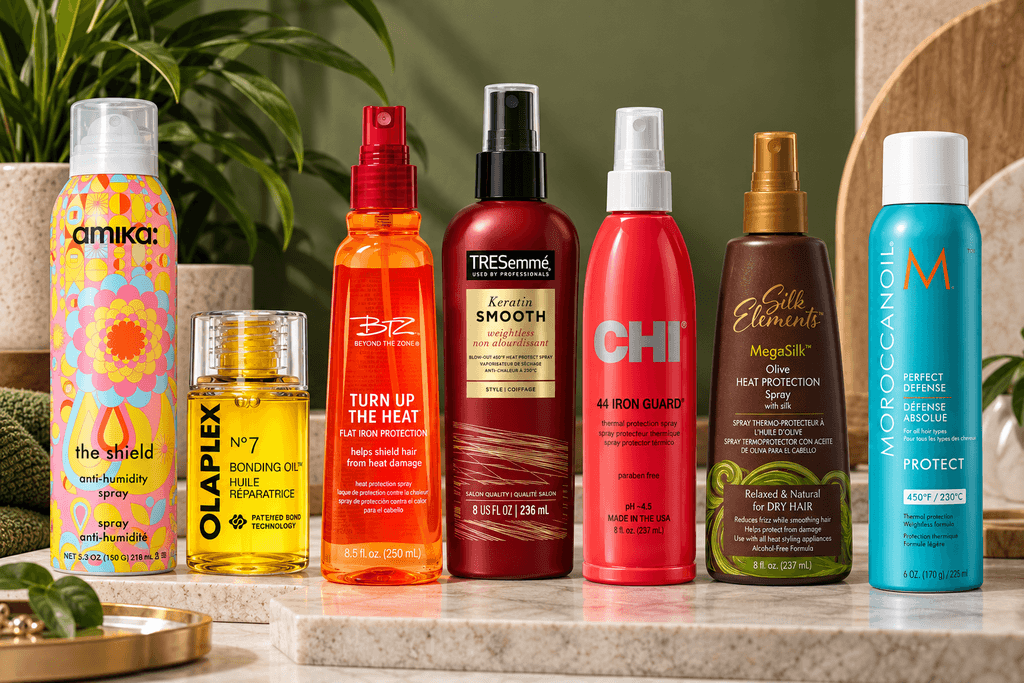
Before blow-drying or flat ironing, use a quality heat protectant. There are a lot of very good heat protectants on the market but a few that I’ve tried, love, and recommend you can find here: Top Heat Protectants
Follow the manufacturer’s directions, including whether the product should be applied to damp or dry hair. A heat protectant can help reduce heat-related damage, but it doesn’t make your hair immune to damage.
You still need to pay attention to your tools, temperatures, and technique.
Be Mindful of Your Blow-Drying Technique
When blow-drying your natural hair, work in sections and avoid using more heat than necessary.
Keep the dryer moving rather than concentrating heat on one area for too long.
If you’re using a comb attachment or brush, be mindful of the amount of tension you’re placing on your strands. You want to get your hair smooth enough to prepare it for flat ironing without creating unnecessary breakage.
And most importantly, do not move on to the flat ironing step until your hair is 100% dry. Many naturals choose to save the straightening step for the following day. This is something I’ve learned from straight haired naturals who retain length.
Be Careful When You Flat Iron
One mistake you don’t want to make is assuming that the highest temperature will automatically give you the best results. It won’t. In fact, it can cause damage to your strands which is completely avoidable
The temperature you need depends on factors such as your hair’s condition, thickness, and how well it has been prepped.
Start with the lowest effective temperature for your hair and avoid repeatedly passing the flat iron over the same section.
My personal temperature when flat ironing my fine natural hair at home is 380 degrees. This prevents my gray hair from turning yellow. My stylist uses 400 degrees but she’s a professional and I only see her every 3-4 months. I’ve not gotten damage to date so I’ll stick with what’s working
And don’t overlook the condition of your flat iron plates. Clean, well-maintained tools that glide smoothly through the hair can help reduce unnecessary snagging and friction.
The goal isn’t just to get your hair straight. It’s to get your hair straight while minimizing the risk of damage.
4. Some of Your Favorite Curly Hair Products May Have to Go
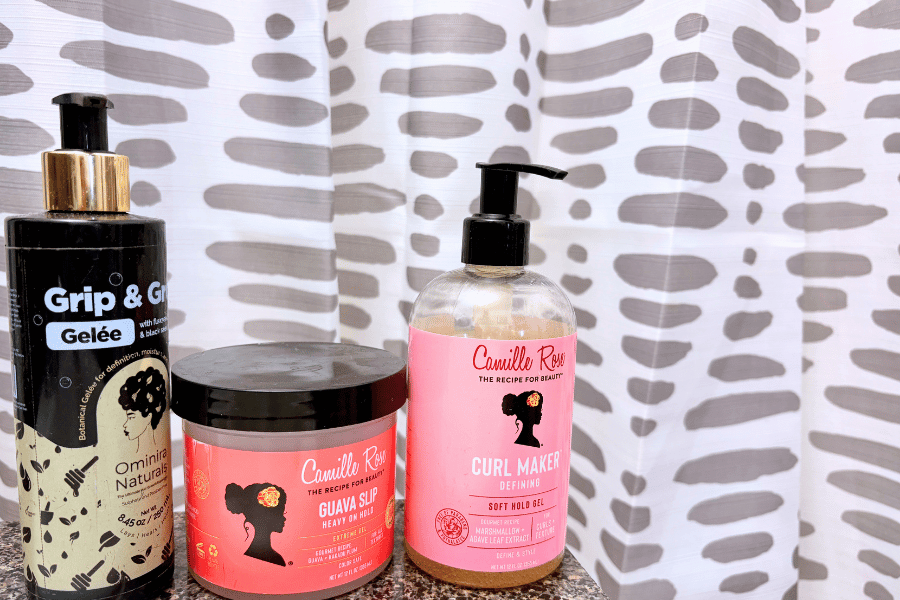
Now, this is where things can get interesting but maybe a little sad depending on your beloved hair products. You know those products you absolutely love when you’re wearing your hair curly?
- The thick leave-in conditioner.
- The rich styling cream.
- The hair butter that makes your curls feel so soft.
- The gel that gives you amazing definition.
Well, those same products won’t support giving you the results you’re looking for when you start wearing your natural hair straight.
And that’s okay. Different hairstyles often require different products.
When you’re styling your hair curly, you need products that provide curl definition, hold, and moisture retention.
But when you’re wearing your hair straight, you generally need products that support smoothness, heat protection, movement, and frizz control.
Using too many heavy products before straightening can leave your hair looking weighed down or feeling coated.
And some products simply aren’t designed to be used with high-heat styling tools. That’s why I think it’s important to pay attention to what a product is actually formulated to do.
When choosing silk press products, focus on formulas that help protect your hair from heat and support a smooth finish without leaving your strands feeling heavy or coated.
And if you still wear your hair curly from time to time, keep those beloved curly hair products in your collection for later use. Just remember, products have an expiration date. It’s usually 6-24 months after opening. Be sure to check the product bottles.
5. Wash Day Might Look Shorter, but That Doesn’t Mean It’s Easier
One thing you may notice when you start wearing your natural hair straight is that certain parts of your wash day routine become simpler.
For example, you may not need to spend as much time applying multiple styling products, defining curls, or waiting for a wash-and-go to dry.
Depending on your routine, you may also be able to go several days without having to restyle your hair. And that is extremely convenient!
But here’s the thing.
A shorter wash day doesn’t necessarily mean an easier wash day.
Instead of spending time defining your curls, you may now be spending that time carefully blow-drying and flat ironing your hair.
And if you have a lot of hair, you already know that working in small sections can take some patience.
There’s also more attention required when it comes to technique.
You have to be mindful of how much heat you’re using, how much tension you’re applying, and whether your hair is properly prepared before you begin.
Then there’s the matter of maintaining your straight style. Humidity, sweating, and moisture in the air can cause natural hair to revert quickly.
So you may need to change how you protect your hair at night or how you care for it between wash days.
For example, wrapping your hair or using a satin or silk scarf may help preserve your style while reducing friction.
And rather than automatically reaching for your flat iron every time your roots begin to revert, you may need to decide whether it’s better to work with your hair as it is until your next wash day. Because constantly touching up your hair with heat greatly increases the risk of damage.
Taking a little more time, patience, and intention will give you a beautiful press. I’ve personally learned that when I straighten my hair, it may take me more than one day. To make sure my hair is full dry, the straightening step needs to wait until the following day.
In this video I share some key things I’ve discovered while listening to advice from other straight naturals (not all of it I agreed with!):

6. Healthy Natural Hair Is Still the Ultimate Goal
Here’s what I really want you to remember.
Your natural hair is still natural hair (no matter what people say), even when you’re wearing it straight.
You haven’t changed the fact that your hair grows naturally from your scalp with its own unique texture. You’ve simply chosen to style it differently.
And there’s absolutely nothing wrong with that.
But the way you care for your hair should still support its health.
Maintaining healthy natural hair should remain a priority, even when straightened hairstyles become your preferred way of wearing it.
That means continuing to pay attention to things like moisture balance, breakage, split ends, scalp health, and how your hair responds to your routine. It also means being honest with yourself if you begin noticing changes that could indicate damage.
For example, if your hair starts breaking more than usual or your curls no longer return after washing, it may be time to reevaluate how frequently you’re using heat or the temperatures you’re using.
You may also need to give your hair a break from heat styling while you assess its condition.
And remember, hair that has been permanently damaged by heat won’t necessarily return to its original curl pattern just because you stop straightening it.
That’s why prevention is so important. BUT, hair typically grows back so if there’s damage that needs to be cut, just do it. Then, be sure not to repeat the actions that caused the damage in the first place.
I believe one of the best things you can do for your natural hair is learn how to work with it, regardless of the style you choose.
Whether you’re wearing a wash-and-go, twist-out, braid-out, silk press, or another straight style, the goal should always be to maintain hair that’s as healthy as possible.
Because healthy hair gives you more styling options in the long run. And isn’t that one of the beautiful things about having natural hair?
You have options.
My Final Thoughts on Becoming a Straight Natural
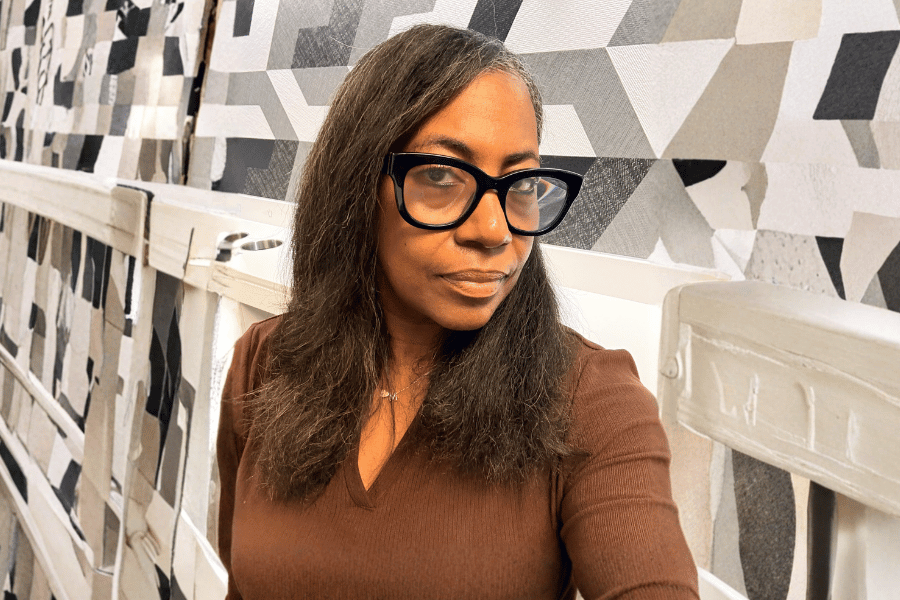
As of this writing, I’ve embraced the straight hair natural life for a few months now. It hasn’t been all peaches and roses and I’ve learned quite a bit in a short amount of time.
If you’ve recently decided to become a straight natural, don’t be surprised if your wash day routine begins to look a little different. You will likely need to adjust everything from the products you use to how you cleanse, condition, moisturize, and style your hair.
Most of all, you’ll need to become more intentional about protecting your hair from regular heat styling.
However, none of these changes means you have to abandon the healthy hair practices you’ve learned along the way. In fact, those practices become even more important when heat styling is part of your routine.
So take your time, pay attention to how your hair responds, and make adjustments as needed.
Because whether you choose to wear your natural hair curly or straight, taking care of it should always come first.
And as a reminder, I’m specifically referring to the lady who chooses to wear her natural hair straight 99% of the time which isn’t the same as getting an occasional silk press.