Sabbath Rest: What Nearly a Year of Trying Has Taught Me

Between working a full-time job, running a side business, and caring for my special needs son, there’s always something demanding my attention. Even when I’m not physically working, my mind is often thinking about what needs to get done next.
That’s why I’ve spent nearly a year learning how to observe the Sabbath as a Christian. I’m discovering what it means to intentionally step away from work, spend more time with God, and enjoy a day of rest without feeling the need to accomplish something.
And nearly a year later? I’m still learning…and struggling.
Key Takeaways
- Observing the Sabbath has become a vital practice for me, offering physical, emotional, and spiritual refreshment amid a busy life.
- I focus on stepping away from work, household chores, and digital distractions to create intentional moments of rest.
- Scripture teaches that the Sabbath isn’t just a command but a life-giving privilege for Christians, emphasizing grace over obligation.
- Preparing for the Sabbath involves practical steps like meal prep and boundary-setting around activities to enhance the experience.
- I continually learn that true rest involves not just stopping physical activities but also quieting my mind and honoring God.
Why I Began Observing a Day of Sabbath Rest
As a special needs mom who works full time and runs a business on the side, I often feel pulled in several directions. There are responsibilities I can’t put aside, projects I want to complete, and the constant pressure to be “relevant.”
And because I have limited time during the week to work on my business, it’s tempting to use every available moment to get ahead.
But constantly being productive comes at a cost.
Little did I know that God was priming and preparing me for this. Out of the blue, I’d come across devotionals or other materials that encouraged observing the Sabbath.
I had already wanted time to decompress, connect with God more deeply, and simply rest. I just never could figure out how to do so. Therefore, I began to read more and more about observing the Sabbath.
I’ve discovered that Sabbath rest has become an opportunity to step away from the demands of everyday life and focus on what matters most.
That doesn’t mean my responsibilities as a mother of a very special adult disappear. My son still needs care, and those needs don’t take a day off. But even while caring for him, I’ve found ways to make the day feel different from the rest of the week.
One of the biggest sabbath blessings I’ve experienced is feeling refreshed physically, emotionally, and spiritually.
There’s also a peace that comes from stepping away from the constant temptation to compare what I’m doing with what everyone else seems to be accomplishing.
Sometimes, the most beneficial thing you can do is stop.
What the Bible Teaches About Sabbath Rest

Before sharing how I observe the Sabbath, it’s important to understand where this practice comes from and what Scripture teaches about biblical rest.
The Sabbath wasn’t originally established as a Christian Sunday routine. God commanded the Jewish people to observe the seventh day as part of His covenant with Israel.
As Christians, we’re not required to observe the Jewish Sabbath under the Mosaic Law. But that doesn’t mean the biblical principles behind rest have nothing to teach us. But Sabbath rest for Christians still has value.
We aren’t called to observe the Sabbath as a command. Observing it is a privilege.
For me, the Sabbath is life-giving and not a religious obligation.
God Established a Pattern of Rest at Creation
Genesis 2:2–3 tells us that God rested on the seventh day after completing His work of creation. He blessed that day and sanctified it.
God didn’t rest because He was exhausted or needed to recover His strength. His creative work was complete, although His involvement with mankind and this world never ends. This teaches us a few things:
- Rest has a place in the order God established
- We don’t need to fully “finish” to rest
- We are expected to work and create and walk in our God-given destiny but not to the point of exhaustion.
We live in a culture that often celebrates constant activity. You know the sayings like “progress over perfection” (prompting a person to just keep going). There are books, courses, videos, and more on how to be productive. And, while I don’t have exact figures, I’m willing to bet 10-1 that there’s more content on how to do more vs. take time to rest.
In spite of all this, Scripture shows us that stopping has value. Rest doesn’t have to be something we earn after every task is completed.
The Sabbath Was a Command to Israel
In Exodus 20:8–11, God instructed the Israelites to remember the Sabbath day and keep it holy.
The command included six days for labor and a seventh day set apart from ordinary work.
The Hebrew word commonly translated as Sabbath is connected to the idea of ceasing or stopping. The emphasis wasn’t simply on sleeping or relaxing, but on setting aside regular labor.
For Israel, Sabbath observance was an act of obedience to God’s covenant.
For Christians who choose to practice a weekly day of rest, the passage still offers a valuable reminder that our lives shouldn’t revolve entirely around work.
Jesus Reminded Us That the Sabbath Was Made for Man
In Mark 2:27, Jesus said:
“The Sabbath was made for man, and not man for the Sabbath.” (NKJV)
Jesus made this statement in response to religious leaders who criticized His disciples for picking grain on the Sabbath.
His words challenged an approach to Sabbath observance that placed burdensome restrictions above human well-being.
The Sabbath was never intended to become an excuse for neglecting genuine human needs. That’s especially meaningful when you have caregiving responsibilities as I do.
Caring for someone who depends on you isn’t a failure to rest. Acts of necessity and mercy aren’t the same as filling your day with unnecessary work.
The goal isn’t to create so many rules that your day of rest becomes another source of stress.
Christ Offers a Deeper Rest
Hebrews 4:9–10 speaks of a rest that remains for God’s people.
In the larger context of Hebrews 3 and 4, the writer points beyond physical rest to the spiritual rest found through faith in God.
This passage shouldn’t be reduced to a command for Christians to take Sundays or Saturdays off. It addresses something much deeper than our weekly schedules.
Our ultimate rest is found in Christ.
That doesn’t make physical rest unimportant. Resting helps us keep our priorities in the right order.
We can enjoy the benefits of setting aside a day for rest without treating that practice as the source of our righteousness or acceptance before God.
Romans 14:5-6 also reminds us that believers may have different convictions about observing particular days. For example, Seventh-day Adventists observe Saturday as the Sabbath, as do Jews.
The day itself isn’t what makes us right with God, though. Accepting Jesus Christ as the sacrifice for our sins does.
Still, choosing to set aside intentional time for worship, restoration (physical and emotional), and fellowship with Him can be a meaningful spiritual practice.
How I’m Learning to Observe the Sabbath Each Week

AI Image Illustration
For those who do not have a Jewish background, one of the questions that comes up is when and how to observe the Sabbath.
Sunday is the day I’ve chosen to set aside as my Sabbath. For my life, it includes just two basic principles.
1. Stepping Away From Work and Household Chores
My goal is to do no business work or regular housework on Sundays.
That means no writing articles, creating content, working on Pinterest, or tackling household chores. I’ll wash the dishes I’ve used, but I’m trying not to turn Sunday into a day for cleaning the entire kitchen or catching up on laundry.
Ideally, I’d also prepare Sunday’s meals on Saturday, so I don’t have to spend time cooking.
That’s another area where I’m still working on consistency.
The challenge isn’t always stopping the physical work, though.
Sometimes, the hardest work to stop is the work happening in your mind.
Because my business gets limited attention during the week, Sunday can feel like an opportunity to catch up.
I may have a new content idea or remember something I wanted to finish. Before I know it, I’m mentally planning an entire project.
That’s teaching me that Sabbath rest involves more than closing the laptop. It also requires learning to release the pressure to be productive every waking moment.
My ultimate goal is to begin this day of Sabbath rest around 6 PM on Saturday evening and continue until I wake up Monday morning. I’m not consistent yet, but that’s what I’m constantly working toward.
2. Resting While Caring for My Son
One thing I’ve learned is that Sabbath rest looks different when you’re responsible for someone who needs ongoing care.
My son has cerebral palsy and needs to be bathed, changed, and cared for throughout the day.
Those responsibilities don’t stop simply because it’s Sunday.
Rather than viewing those moments as interruptions to my rest, I’ve started making small adjustments. When I’m caring for him, I may listen to something relaxing or watch something that helps me unwind.
It’s not the same as having an entire day free from responsibilities, but it allows me to approach those moments differently.
If you’re a caregiver, a parent of young children, or someone with responsibilities that can’t be postponed, please don’t assume that Sabbath rest is out of reach.
Your day may not be completely quiet. You may not be able to sleep in or spend hours reading your Bible, but you can still create intentional moments of rest while meeting the responsibilities you have.
Sabbath rest doesn’t require your life to become responsibility-free.
It requires being intentional about what you can set aside and how you use the time that’s available.
How to Prepare for the Sabbath: My Sunday Rest Routine
I’m discovering that if I want to enjoy Sunday as a day of rest, I need to prepare for it before it arrives. And, boy, does it take a lot of preparation.
Otherwise, Sunday becomes the day when I notice everything that didn’t get done during the week.
My goal is to start preparing as early as Thursday. This is still a huge work in progress, but I’m gradually figuring out what needs to happen beforehand.
1. Preparing My Home Ahead of Time
Ideally, I’d like to handle most of my household cleaning on Thursday and Friday. That way, Saturday morning only requires a little tidying rather than a full cleaning session.
I’d also like to prepare meals on Saturday so that Sunday doesn’t involve unnecessary cooking.
The purpose isn’t to have a spotless house. It’s to remove as many avoidable responsibilities as possible so I can actually enjoy my day of rest.
I’m realizing that a practical Sunday reset routine doesn’t necessarily need to happen on Sunday. Sometimes, the most helpful thing you can do for your day of rest is prepare for it several days in advance.
2. Moving Nonessential Activities to Saturday
Another goal I’m working toward is keeping secular entertainment and unnecessary social media activity early Saturday rather than Sunday.
For example, if I want to go to the movies or spend time catching up on social media, I’d prefer to do those things Friday night or Saturday afternoon.
I’m not saying those activities are inherently sinful or that Christians must avoid them on Sundays. This is simply a boundary I’m trying to establish for myself. I want Sunday to feel different.
Social media, in particular, can easily pull our attention in several directions. Even a few minutes of scrolling can become an hour of looking at what everyone else is doing.
One of the benefits I’ve noticed when I step away from it is the absence of that constant temptation toward comparison.
My goal is to spend less time consuming content and more time being present with God and my family.
3. Weekly Planning
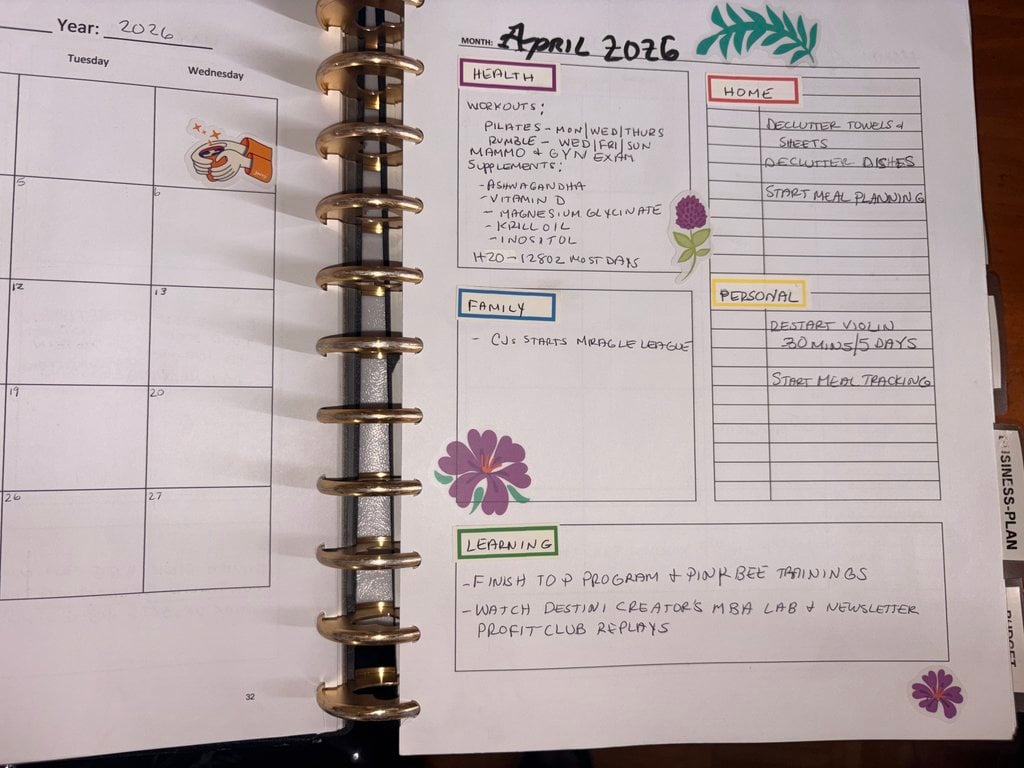
Currently, I sit down to plan my week around 4 PM on Sundays. I use one planner to organize my entire life, including personal responsibilities, work, and business activities. This can take a couple of hours if I’m relaxing while doing it. When I decorate my pages with stickers, the very act of planning is quite relaxing.
However, planning on Sundays sometimes feels a little too much like work. So, eventually, I’d like to move that planning session to Friday evenings.
That would allow me to enter Sunday knowing the upcoming week is already organized.
I’m learning that to be fully prepared for a Sabbath rest, I need to handle necessary tasks earlier so they don’t compete with the time I’ve intentionally set aside.
Sabbath Day Activities That Help Me Slow Down
When you decide to observe a Sabbath day, there are particular things you can do. It’s not just about what you stop doing. You don’t need to just sit still all day. I know I could never!
There are plenty of Sabbath day activities that can refresh you spiritually, physically, and emotionally.
For me, the focus is on slowing down, hearing from God, and choosing activities that don’t feel like another obligation.
Here’s what that currently looks like in my life.
Attending Church and Worshipping With Other Believers
Attending church in person is an important part of my Sunday. There are occasional weeks when I’m exhausted and choose to watch the service online instead.
While I’m thankful that online services are available, I’ve noticed that watching from home can make it easier to multitask and start doing things.
That’s why I prefer attending in person whenever possible.
Being physically present in church will help you to stay focused on the Word and the worship.
Of course, there are legitimate reasons someone may need to worship from home, including illness, disability, caregiving, or other circumstances.
The important thing is to approach worship intentionally rather than treating it as optional.
Making Time for Deeper Bible Study
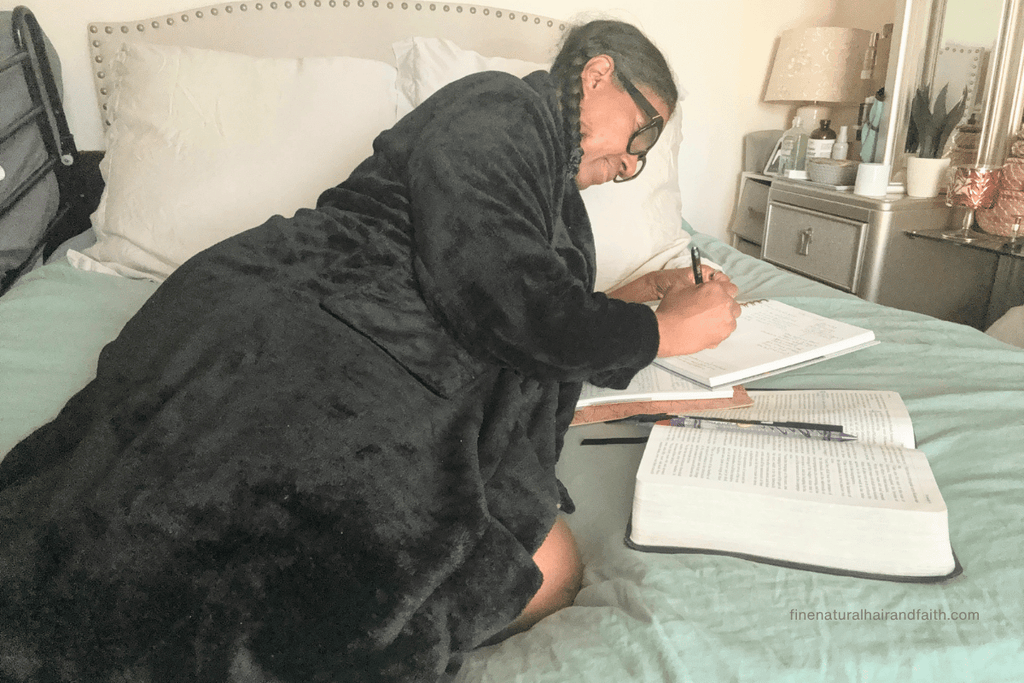
One of my favorite Sabbath day activities is spending additional time studying Scripture after church.
During the week, I don’t always have the opportunity to spend as much time in the Word as I’d like. So, Sunday gives me an opportunity to slow down and dig deeper.
Sometimes I’ll do a word study using one of my Bible study tools like the Word Study Journal from The James Method. Other times, I’ll practice verse mapping to examine a passage more closely.
I enjoy going beyond simply reading a verse and taking time to understand what the words mean, how they were used in context, and what the passage teaches about God.
If you’ve never tried a structured Bible word, chapter, or book study, The James Method is highly recommended.

You don’t need to spend hours studying Scripture to benefit from it. Even choosing one passage and giving it your undivided attention can be so meaningful.
Enjoying Quiet Activities That Help Me Unwind
There are quite a few activities that help me to unwind on a Sunday that are different from the traditional.
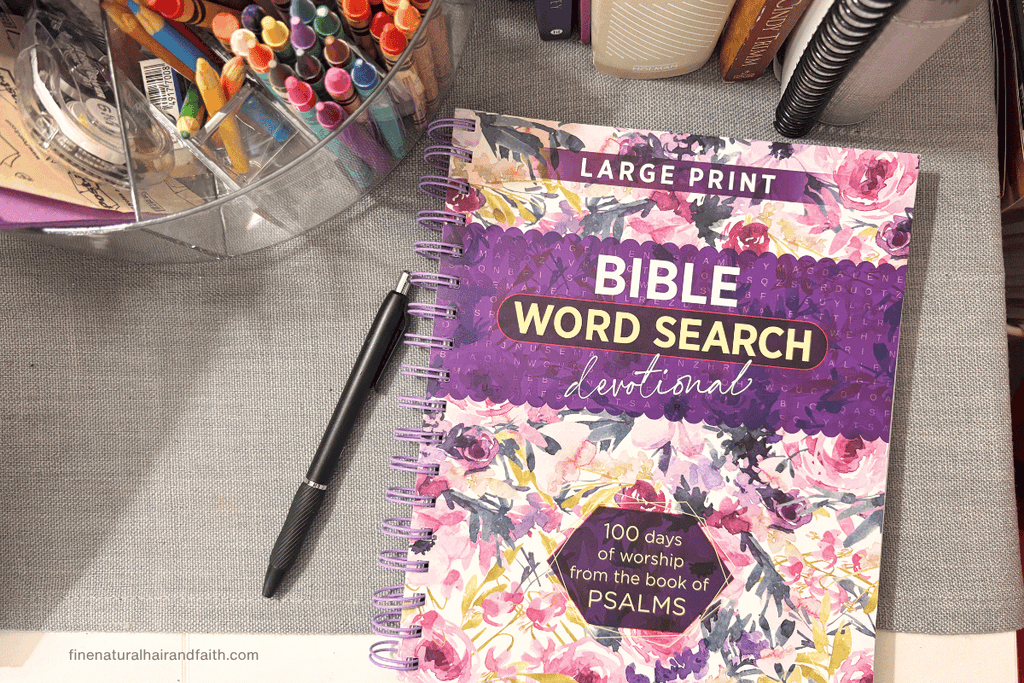
I enjoy Christian crossword puzzles and coloring books. They are tools that offer a creative way to engage with Scripture. Plus, they are quite relaxing while still feeding the soul and spirit. I picked up this latest one on our trip to Washington D.C. to visit the Bible Museum
Another wonderful “activity” (and I use that word loosely) that helps me unwind is a nap! These are few and far between, but I am going to figure out how to make these happen more consistently!
On Sundays, in the late afternoon, I may catch up on a few television shows.
For me, the point isn’t that every minute of Sunday must involve a specifically religious activity. It’s also about stepping away from the usual demands of work and allowing myself time to relax and recharge.
There’s room for worship, reflection, enjoyment, and physical rest.
Making Room for Physical Activity
Every other Sunday, I attend an early morning weightlifting class at Rumble.
I enjoy it because it helps strengthen and energize my body. Yes, I go to Rumble at least once during the week along with Pilates, but there’s something about that focused 45 minutes of lifting weights that recharges me. I know this isn’t for everyone! Weight lifting is definitely work, but I enjoy it so much.
The downside is that it can make Sunday morning feel rushed when I still need to get myself and my son ready for church. That’s the reason I don’t do it every weekend.
Exercise can be restorative, but if it creates unnecessary stress or causes you to rush through the rest of the morning, that’s when you need to decide if it’s worth including on a Sunday.
Putting My Phone Away
This might be one of my biggest ongoing challenges, but sometimes I am successful at it.
The goal is to spend no time on my phone during Sabbath rest – even reading my Bible on the app. Sundays, I can pull out an actual physical Bible, which is a good practice to do anyway.
Right now, I’d estimate I’m successful about 60% of the time. Some Sundays are better than others, but I’m learning that limiting phone use isn’t simply about reducing screen time.
It’s about protecting my attention.
When I’m constantly checking my phone, I’m allowing messages, information, and distractions to interrupt the quiet I’m trying to create.
And sometimes, quiet is exactly what we need to become more attentive to God.
You don’t have to throw your phone in a drawer for 24 hours to experience that benefit. Or in a case like mine, maybe you do!
However, the biggest benefit will come by simply silencing unnecessary notifications, staying off social media, and setting aside a specific period of time when your phone isn’t within reach.
The important thing is to be intentional.
What Sabbath Rest Is Teaching Me About Grace
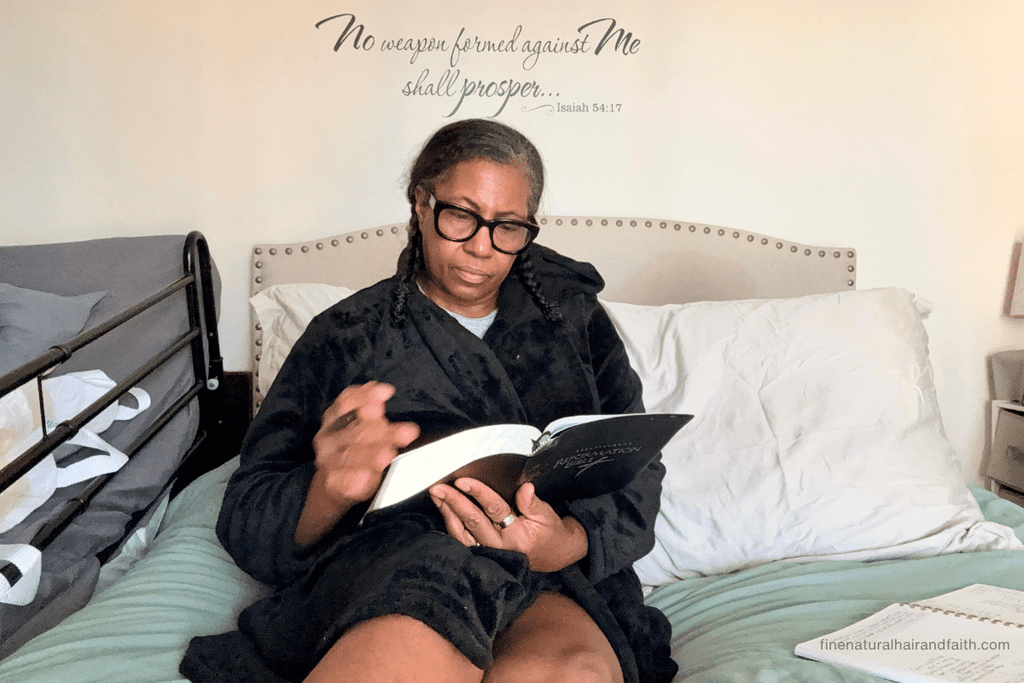
After nearly a year of trying to practice Sabbath rest consistently, I will transparently say that I still haven’t mastered it.
I still struggle with quieting my mind. I still find myself thinking about business projects when I’m supposed to be resting.
Preparing well enough during the week? Yeah, I haven’t mastered that either. Sundays still arrive with more unfinished tasks than I’d like.
And yes, sometimes I spend more time on my phone than I intended.
But I’ve also learned something important.
God is more patient with me than I am with myself.
When I don’t meet my Sabbath “goals” (and I don’t really want to call it that, but for lack of a better word…) I may feel frustrated, but I don’t feel condemned.
I’m not observing the Sabbath to earn God’s favor, and you shouldn’t approach biblical rest that way either. God doesn’t get mad at you because you don’t manage to have a perfectly restful Sunday.
Our standing before Him isn’t determined by how successfully we organize our schedules or avoid household chores. That’s why it’s important to distinguish between the Sabbath command given to Israel and the voluntary practice of setting aside a day for rest as a Christian.
This isn’t about trying to fulfill an Old Testament requirement. As believers, we choose to receive the benefits of a practice that helps us to step away from unnecessary work, reconnect with God, and restore our bodies and souls.
And those benefits are significant.
When I’m able to truly slow down, I feel more peaceful and refreshed physically, spiritually, and emotionally.
I’m also learning to recognize the things that compete for my attention and the habits that make it difficult for me to stop.
Perhaps one of the greatest lessons has been realizing how easily productivity can become a measure of how well I think I’m using my time.
God Honors You When You Honor Him
One thing I wanted to point out about when you choose to observe the Sabbath is the principle of honoring God. Choosing to honor one day of rest as our Lord did honors Him. When you honor Him, He honors you right back.
In 1 Samuel 2:30, God declares, “For those who honor Me I will honor, and those who despise Me shall be lightly esteemed.” (NKJV)
This came to mind as I was writing this article.
Businesses like Chick-fil-A and Hobby Lobby, as you may know, are built on a Christian foundation. Both have chosen to honor God by closing their doors on Sundays, even though doing so means giving up an entire day of potential sales.
Chick-fil-A has maintained this practice since 1946, allowing employees time for rest, family, and worship. Hobby Lobby has also publicly acknowledged that its decision to close on Sundays may cost the company financially, but that some things are more important than profits.
And while observing a Sabbath day is not a guarantee of financial success, I don’t think it’s an accident or luck that the fast food conglomerate Chick-fil-A continues to profit more in 6 days than other fast food establishments like the giant McDonald’s, for example.
Chick-fil-A manages to generate more than twice the average daily sales per restaurant as McDonald’s, despite operating six days a week instead of seven. According to QSR Magazine’s 2026 rankings, Chick-fil-A also leads major U.S. fast-food chains in average annual sales per location.
I believe there’s something to be said about honoring God with what He’s entrusted to us, including our time.
Start With What You Can Set Aside
If you’re interested in practicing Sabbath rest, you don’t need to begin with an elaborate schedule.
Consider what it would look like to set aside a portion of your week for worship, rest, and activities that genuinely refresh you.
Maybe that means preparing meals ahead of time, putting away your laptop, or spending an uninterrupted hour studying Scripture.
Perhaps you need to establish boundaries around social media or stop using every free moment to catch up on household chores.
And if you’re a caregiver or have responsibilities that can’t be postponed, remember that rest may look different for you.
Start with what you can reasonably set aside rather than focusing on everything you can’t.
As you continue, pay attention to what helps you rest and what makes it more difficult. Some weeks will go better than others. And that’s okay.
Sabbath rest is your opportunity to stop treating every available hour as a chance to be productive and to just be.
Nearly a year into this practice, I’m still discovering my temptations, my weaknesses, and how much I benefit when I finally stop.
I suspect this will be a lifelong learning experience.
Thankfully, God isn’t in a rush for me to get everything right. And you don’t need to have it all figured out before you begin, either.
Do you set aside a weekly day of rest? I’d love to know what helps you slow down and make intentional time for God. Share your experience in the comments.